— Blog · 8 October 2026 · 2 min read
Three Indian Architecture Stories Reframe Scale, Material, and Experience
From a compact café to a contemporary residence and a sculptural residential concept, these projects show how Indian architects are turning constraints into design opportunities. Together, they highlight thoughtful detailing, context-led planning, and bold form-making.
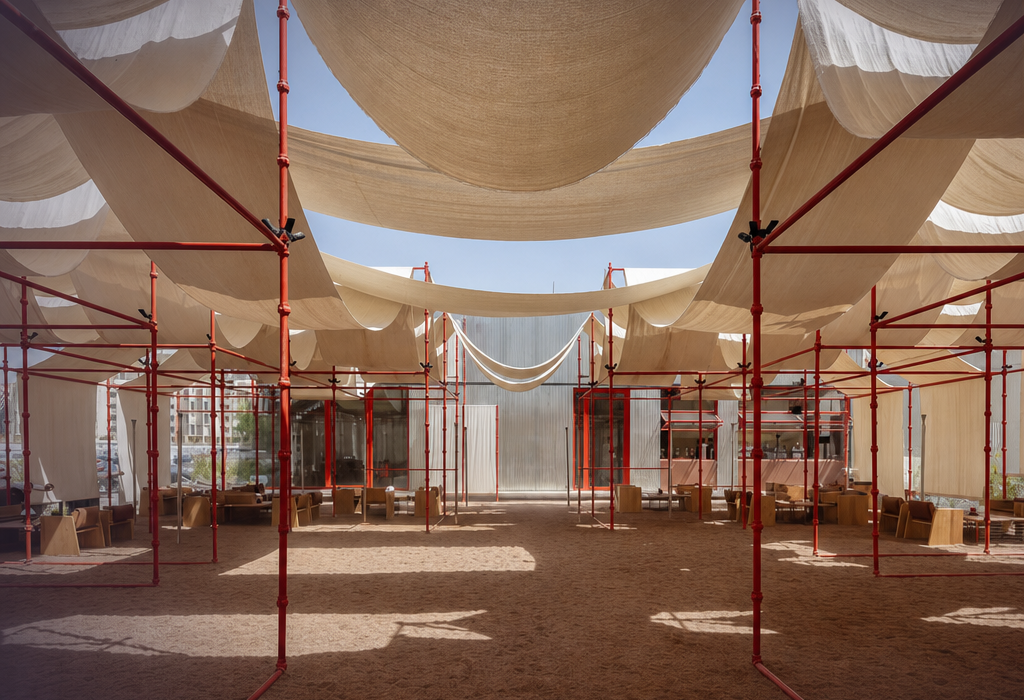
Bag Café by AO Architects: A Small Footprint with a Distinct Identity
Bag Café demonstrates how a modest commercial space can still feel memorable when design focuses on atmosphere, flow, and material clarity. AO Architects appear to have shaped the café as more than a place to eat or meet; it becomes a spatial experience that draws users in through careful proportioning, intuitive circulation, and a character that stands out without excess. For architects, the project is a reminder that strong concepts do not depend on size, but on how well every element supports the intended mood and use.
Kian Residence by Kamat & Rozario Architecture: Crafting a Home Around Everyday Life
Kian Residence reflects the growing emphasis on homes that are both visually composed and deeply liveable. Kamat & Rozario Architecture seem to approach the residence with a sensitivity to privacy, daylight, and the rhythms of daily life, allowing the house to feel calm, functional, and rooted in its setting. The project offers useful lessons in balancing openness with enclosure, as well as in using architectural restraint to create a sense of comfort and permanence. It is a relevant study for architects working on residential design across India, where climate, lifestyle, and individuality must all be negotiated together.
Wave Cube by Scenic Architecture Office: Geometry as Architectural Expression
Wave Cube explores how form can become a defining architectural language, combining a strong geometric idea with spatial intent. Scenic Architecture Office uses the project to investigate the tension between solidity and movement, producing a design that feels both precise and dynamic. Such work is valuable for architects interested in concept-driven design, especially when a clear formal gesture is supported by practical planning and spatial coherence. It shows how contemporary architecture can be expressive without losing discipline.
Join the Archsplace Community
For architects and design professionals looking to share work, discover new ideas, and connect with a wider network of peers, Archsplace offers a space built for the profession. Join the community and showcase your practice by following this link: Create your architect profile on Archsplace.