— Blog · 24 September 2026 · 2 min read
Three Readings in Contemporary Architecture: Workplaces, Museums and the Hidden Logic of Façades
From a refined headquarters in Japan to a contemplative art museum in China and a sharp look at the engineering behind façade systems, these stories reveal how architecture balances identity, performance and material expression. Together, they offer lessons for architects shaping spaces that are both visually compelling and technically responsible.
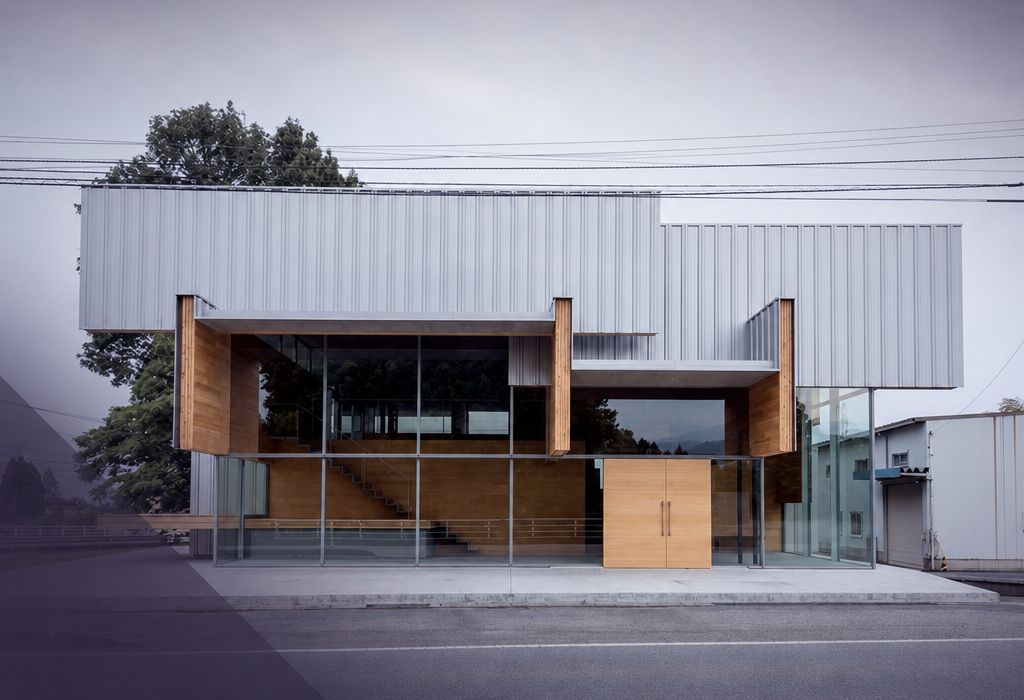
STROOG Headquarters: a workplace shaped by calm precision
MOUNT FUJI ARCHITECTS STUDIO’s STROOG Headquarters shows how an office building can express clarity without becoming cold. The project appears to prioritise a measured spatial rhythm, subtle material transitions and an atmosphere that supports focused work while still feeling welcoming. For architects, the key takeaway is how a corporate building can communicate identity through restraint, using proportion, daylight and detailing to create a workplace that feels composed, adaptable and human.
Tianlai Art Museum: a cultural destination rooted in spatial experience
Mao, Shen-Chiang Architecture Studio’s Tianlai Art Museum highlights the role of architecture in framing art, movement and public engagement. Rather than treating the museum as a neutral container, the design seems to shape a sequence of experiences that guide visitors through light, volume and pause. It is a reminder to architects that cultural buildings succeed when they offer more than display space—they create an atmosphere that deepens interpretation, encourages discovery and gives the institution a distinct civic presence.
What façade systems hide behind the surface
The discussion on façade systems moves beyond appearance to the engineering and performance decisions concealed within the outer skin of a building. What may read as a simple material choice often involves layered assemblies, structural support, thermal control, acoustic performance and maintenance considerations. For architects, this is a useful reminder that façades are not only visual statements; they are complex systems that affect energy use, durability and user comfort. Good design demands that form and technical intelligence work together from the outset.
Join the Archsplace community
These projects and ideas reflect the breadth of contemporary practice—from workplace identity and cultural architecture to the hidden intelligence of building envelopes. If you are shaping the built environment in India or beyond, join the Archsplace community and share your work with a wider professional audience: Create your architect profile on Archsplace.