— Blog · 31 July 2026 · 4 min read
Hyderabad: A City of Heritage, Growth and Design Opportunity
Discover why Hyderabad is one of India’s most interesting cities for homebuilding, renovation and design-led projects, with a rich architectural legacy and a fast-evolving urban landscape.
Welcome to Hyderabad
Hyderabad, the capital of Telangana, is one of India’s most compelling cities for anyone planning a home, office or mixed-use project. With an estimated population of around 1 crore in the core urban area and well over 1.1 crore in the wider metropolitan region, it combines the scale of a major Indian city with a distinctive identity shaped by history, technology and cultural diversity. It is a place where old-world courtyards, domes and stone façades sit comfortably alongside glass towers, planned townships and contemporary lifestyle spaces. For project owners, that blend means there is real demand for thoughtful architects and experienced builders who can balance heritage, comfort and modern function.
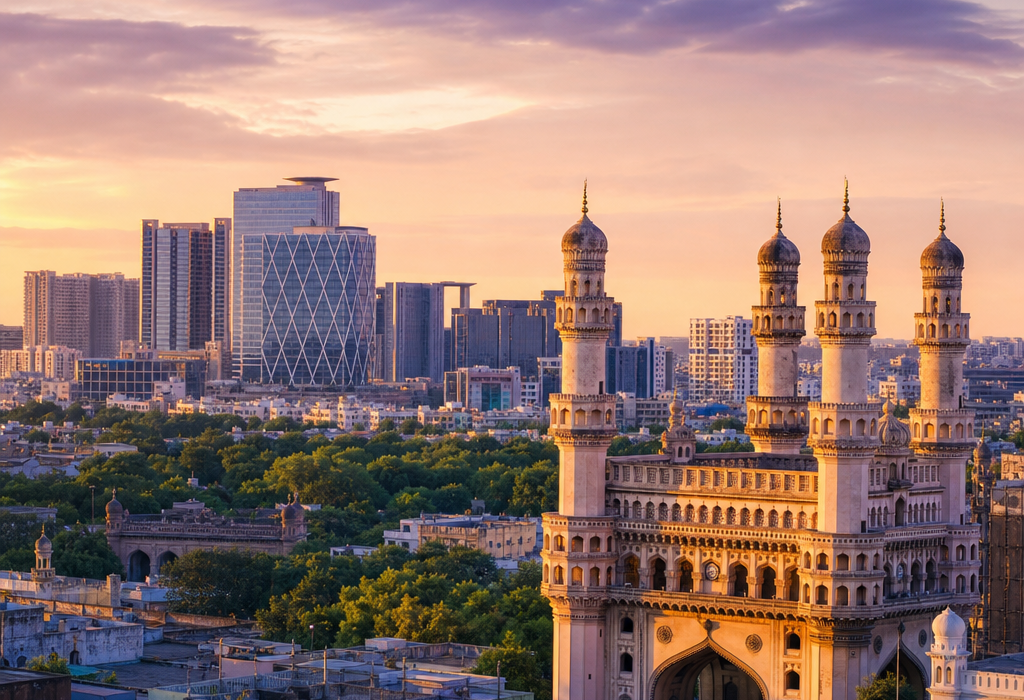
Hyderabad’s architectural appeal is also tied to the way the city has grown. From the historic core around the Charminar to the fast-expanding western corridor near HITEC City and Gachibowli, the city offers many different neighbourhood character types—traditional, premium, tech-driven and suburban. That variety makes it especially interesting for people who want a project that feels rooted in place but still future-ready.
Architectural Highlights
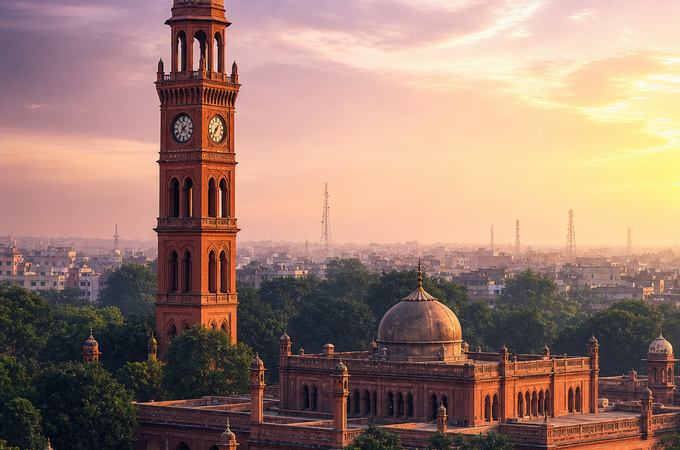
Hyderabad’s best-known landmark is the Charminar, built in 1591, which remains a defining symbol of the city’s urban memory. Its arches, minarets and compact street setting reflect the Indo-Islamic character of the old city. Nearby, the Mecca Masjid and the Chowmahalla Palace showcase the elegance of the Nizami era, with expansive courtyards, arcaded façades, ornate detailing and a strong sense of ceremonial scale. Golconda Fort, though earlier in origin, is equally important for understanding the city’s architecture, especially its defensive planning, stepped ramps, acoustic ingenuity and commanding hilltop position.
In the modern city, the skyline tells a different story. HITEC City, the Financial District and the surrounding IT campuses have introduced a language of curtain walls, large-span structures, high-rise apartments and campus-style planning. Buildings such as the Telangana Secretariat complex, large corporate headquarters and new premium residential towers represent a shift towards contemporary urban design. Hyderabad is also notable for its newer public and institutional architecture, where wide roads, landscaped plots and integrated services are increasingly common. This mix of historic fabric and modern development gives the city a layered architectural identity that is rare in India.
A useful historical fact is that Hyderabad’s early urban form was strongly influenced by planned gateways, axial streets and the river-linked geography of the Musi. The city’s historic core developed around trade, administration and royal patronage, while later expansion under the Nizams introduced grand civic buildings, palaces and public institutions. That legacy still shapes how land, street patterns and neighbourhood identities feel today.
Construction Costs & Trends
For planning purposes, a typical construction cost in Hyderabad is often estimated at about ₹2,000 to ₹3,500 per sq m for standard residential construction, while higher-spec homes, premium finishes or complex structural work can go well beyond that range. Costs vary depending on site conditions, design ambition, materials, labour, approvals and the quality of execution. In practical terms, a well-planned project in Hyderabad benefits greatly from early coordination between design and build teams, especially if you want efficient layouts, climate-responsive shading and durable material choices.
One notable urban trend is the city’s continuing westward growth. Areas such as Gachibowli, Kokapet, Nanakramguda and Financial District are seeing strong demand for premium housing, office space and mixed-use development, while the older city continues to attract renovation, redevelopment and hospitality-related projects. There is also a visible shift towards larger gated communities, better amenity planning and more design-conscious homes, as buyers increasingly expect ventilation, green edges, parking efficiency and smarter use of space. For project owners, this means Hyderabad offers both stable demand and a market that appreciates good design.
Why Hyderabad is Perfect for Your Project
Hyderabad is attractive for building, renovating or redesigning because it offers a rare combination of heritage, infrastructure and market depth. The city has strong road links, expanding metro connectivity, an active IT economy and a diverse residential base, which together support a wide range of project types—from compact urban homes to premium villas, offices and commercial spaces. It is also a city where good architecture is noticed: whether you are working in the old city context or in a contemporary neighbourhood, design decisions can have a clear impact on value, usability and long-term appeal.
Another advantage is the city’s breadth of professional talent. There are established local practices, new-age design studios and dependable construction ecosystems that understand Hyderabad’s weather, soil conditions, by-law requirements and lifestyle expectations. For people planning a project, that makes it easier to find the right balance of creativity and execution. Hyderabad rewards projects that are thoughtful rather than flashy—buildings that respect the city’s layered character while meeting today’s needs for comfort, efficiency and visual identity.
Find the best architects and designers in Hyderabad for your project
Free, no commitment / Less than 5 minutes
Are you an architect or designer? Sign up for free! »