— Ideas & inspiration
A neoclassical yard with timeless structure
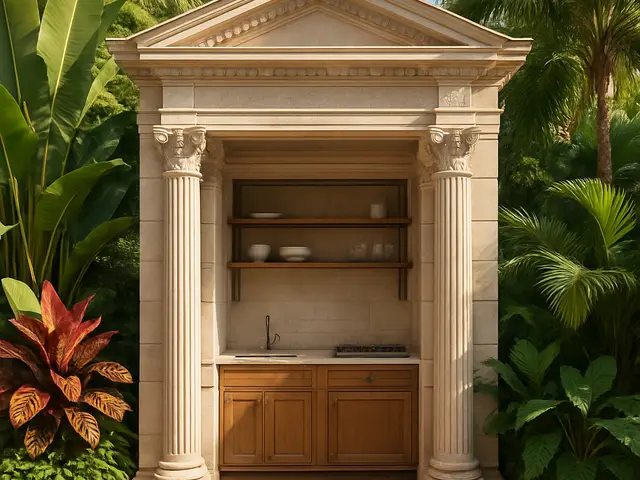
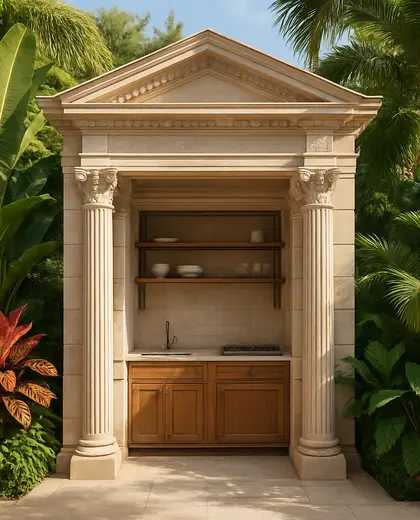
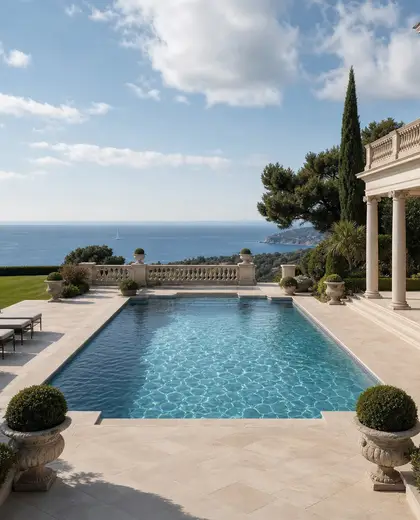
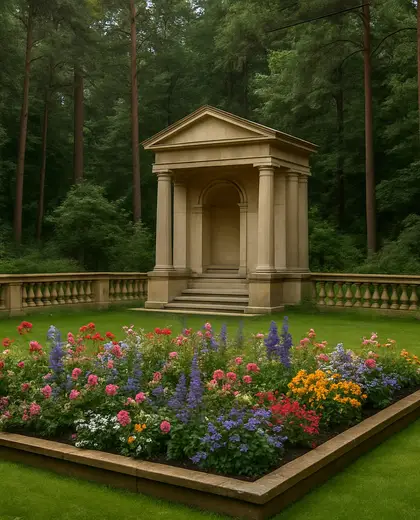
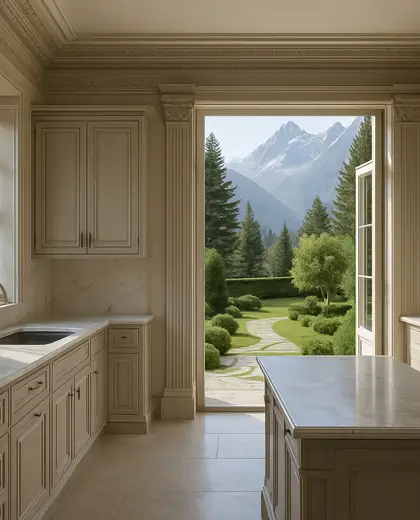
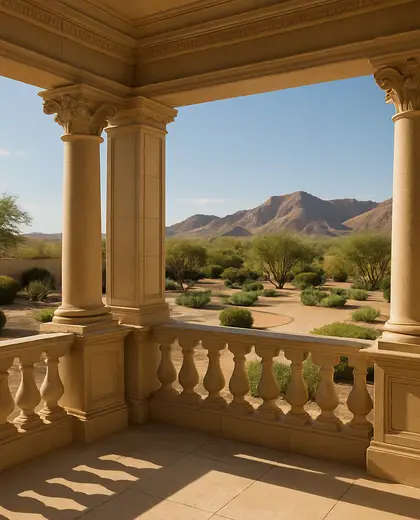
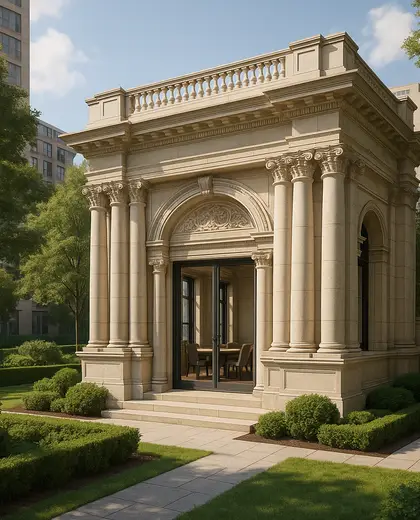
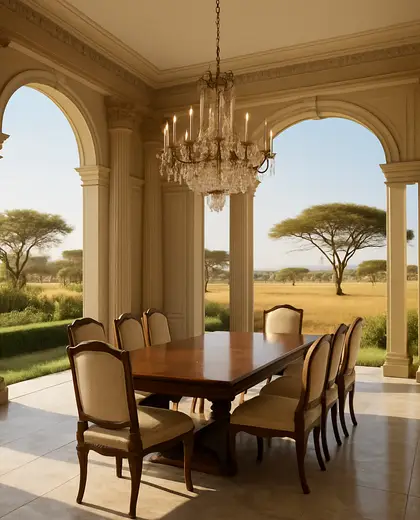
A neoclassical yard is defined by formal symmetry, clipped planting, stone paving, and refined architectural details such as columns, balustrades, pedestals, and framed openings. The palette is usually restrained, with white, cream, pale gray, sandstone, and deep green planting used to create a calm, ordered outdoor room.
- yard
- neoclassical
— References
References to explore
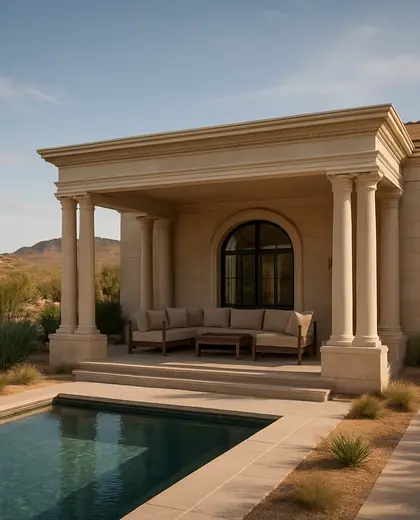
What makes a yard feel neoclassical?
Balanced proportions, symmetrical paths or beds, stone surfaces, and classical features like columns, urns, and formal edging create the look.

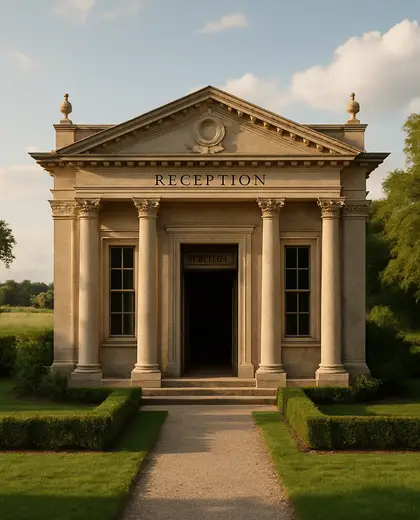
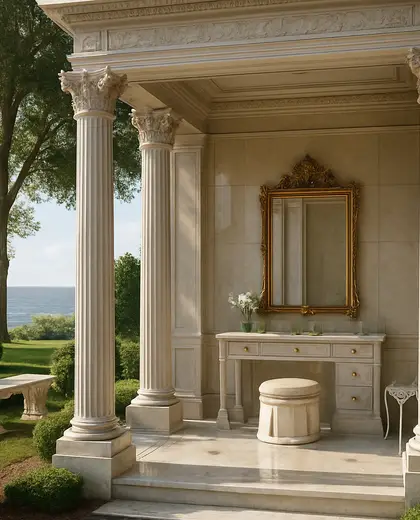
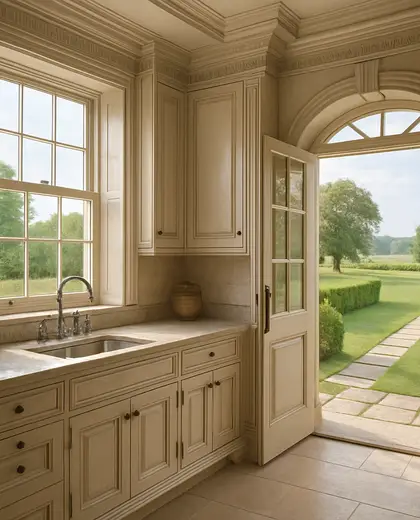
Which plants suit a neoclassical yard?
Evergreens, clipped boxwood, bay, cypress, hydrangea, roses, and other plants that can be shaped or arranged in a formal way work well.


Does a neoclassical yard need a large space?
No, but the style reads best when there is enough room for clear geometry, a central focal point, and simple, well-organized planting.
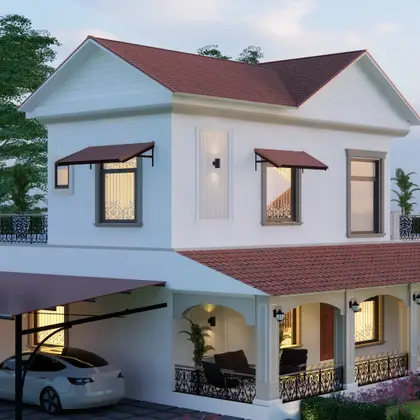
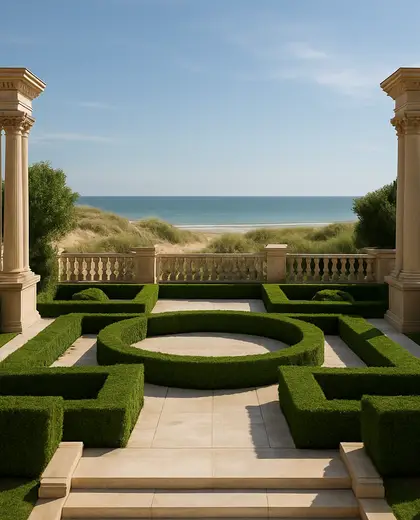
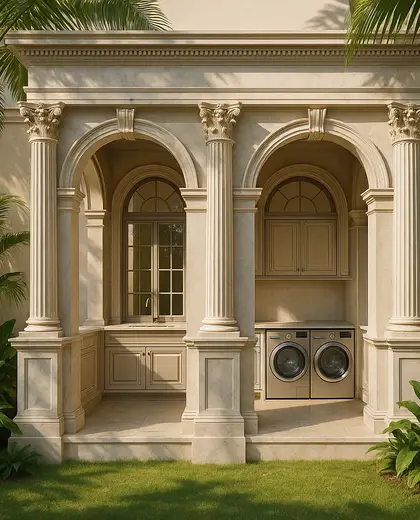
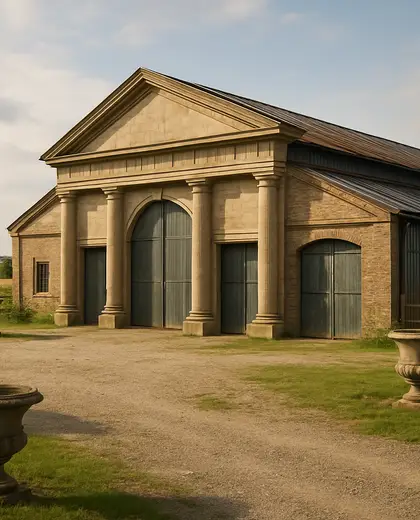
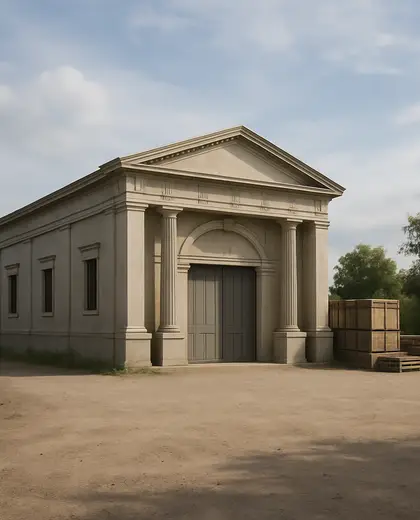
— The style
What defines it
Natural stone, limestone, marble-look surfaces, cast stone, wrought iron, and painted wood or metal trim.
White, ivory, soft gray, warm beige, muted green, and occasional black accents for definition.
Structured hedges, topiary, urns, gravel courts, terraces, fountains, and classical façade details.
— Professionals
Who has already built it




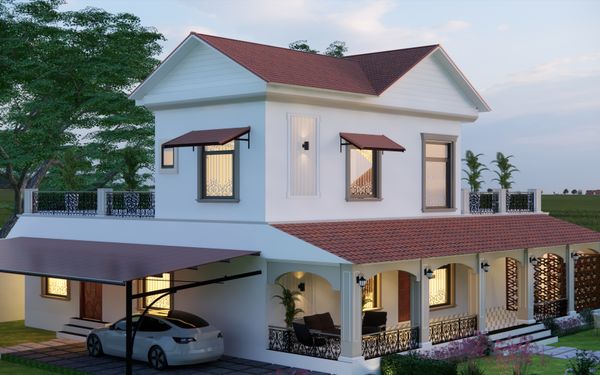

- prakriti sahuarchitects · 1 projectsView profile →
- Bristolfurniture sellers · Bangalore · 6 projectsView profile →
- FurnitureRootsfurniture makers · Jodhpur · 6 projectsView profile →
- Bakajoiners · Chennai · 5 projectsView profile →
— Explore
Keep exploring
— Questions
Frequently asked questions
What makes a yard feel neoclassical?
Balanced proportions, symmetrical paths or beds, stone surfaces, and classical features like columns, urns, and formal edging create the look.
Which plants suit a neoclassical yard?
Evergreens, clipped boxwood, bay, cypress, hydrangea, roses, and other plants that can be shaped or arranged in a formal way work well.
Does a neoclassical yard need a large space?
No, but the style reads best when there is enough room for clear geometry, a central focal point, and simple, well-organized planting.