— Ideas & inspiration
A desert yard with quiet, shaded edges
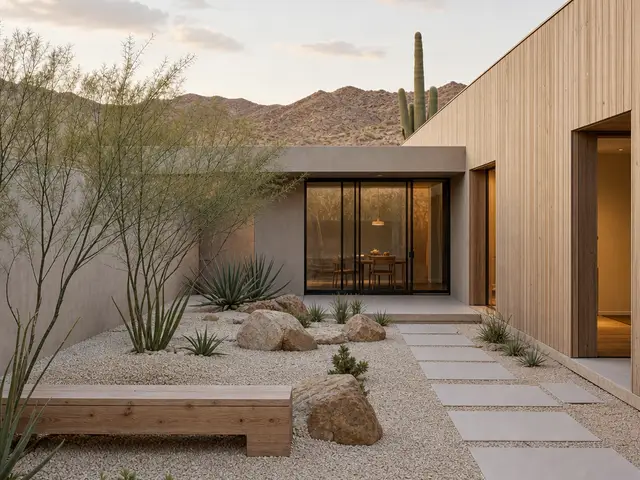
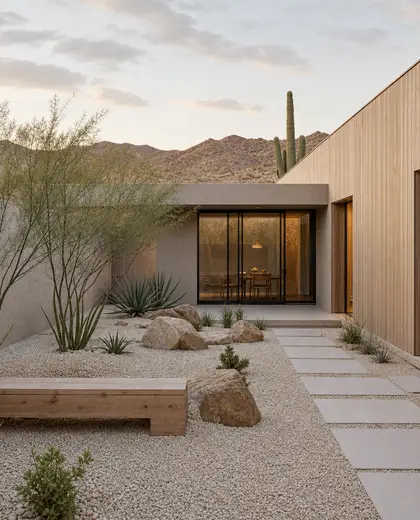
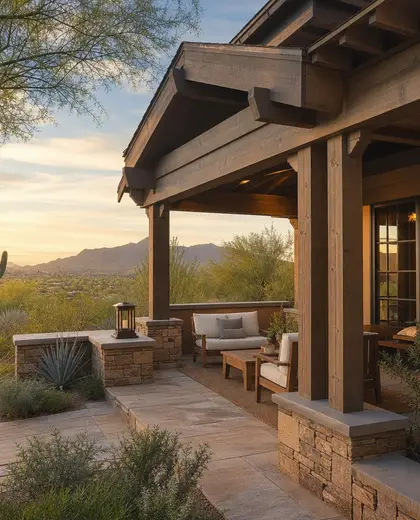
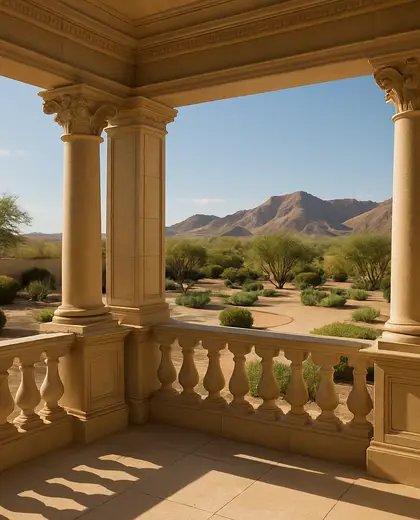
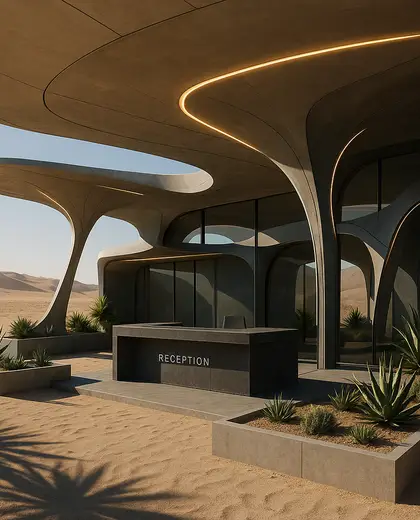
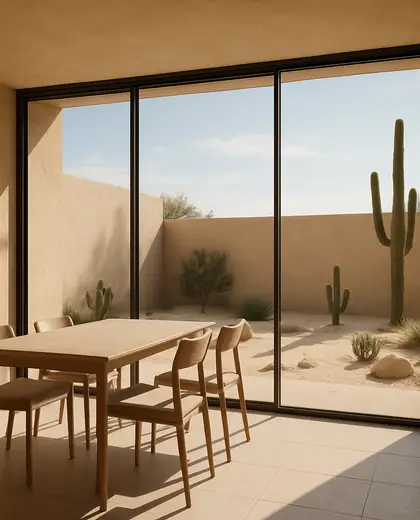
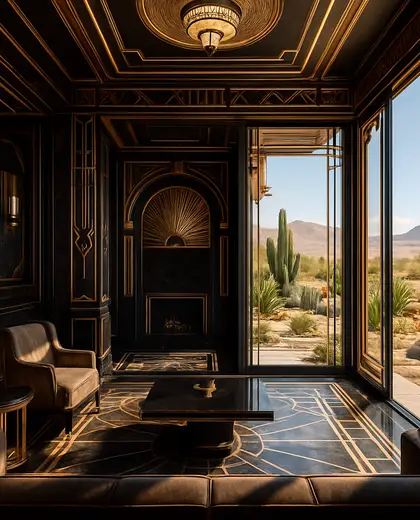
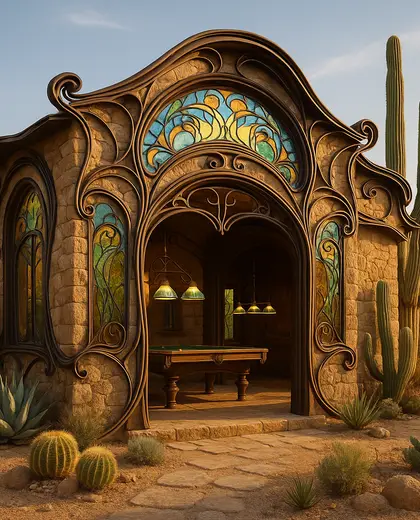
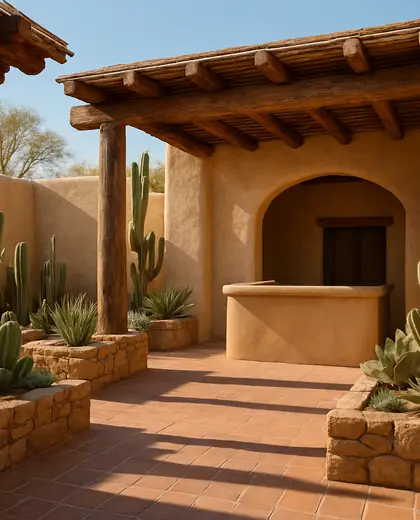
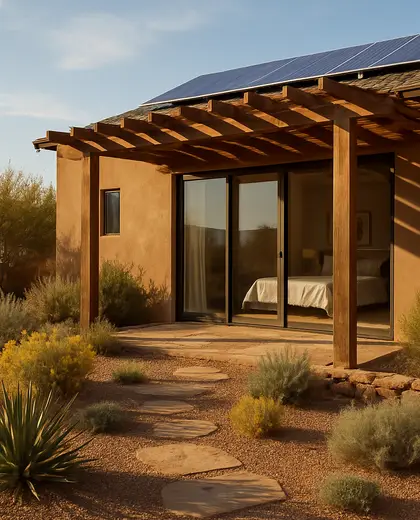
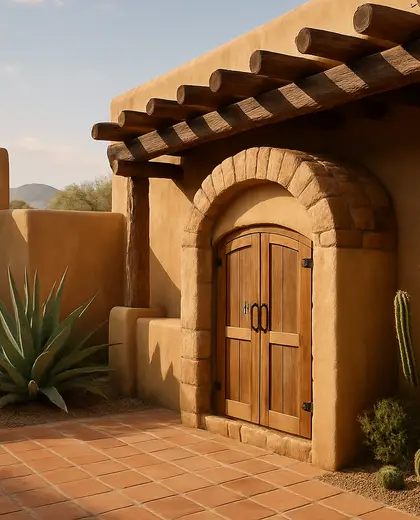
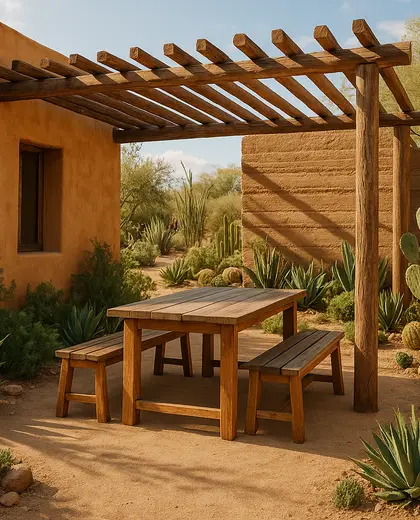
A desert yard is defined by heat-tolerant planting, hardscape in stone, gravel, or sand-toned concrete, and a layout that creates shade and shelter. The palette stays warm and restrained, with ochre, clay, taupe, and weathered neutrals, often balanced by crisp shadows and a few sculptural plants. It usually combines open ground, low walls, pergolas, and minimal water use to make an outdoor space that feels sparse but intentional.
- yard
- desert
— References
References to explore
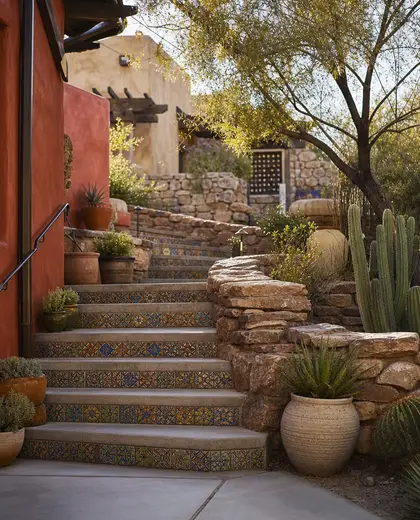
How do I make a yard feel like a desert composition without it looking empty?
Use layers of hardscape, a few strong plants, and one or two focal elements such as a tree, a wall, or a shade structure. The space should feel deliberate, not crowded.
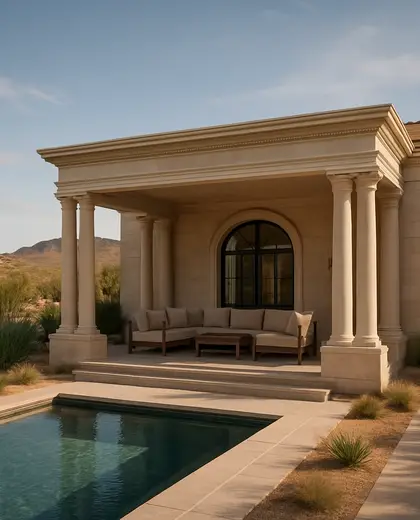
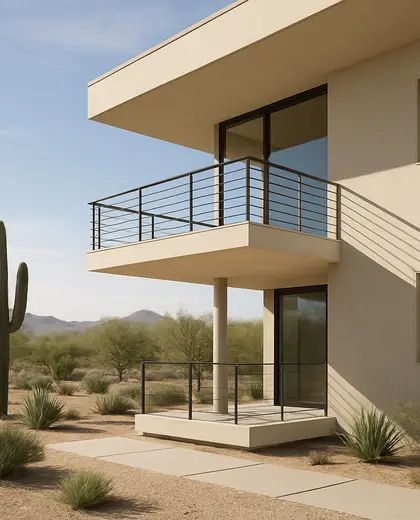
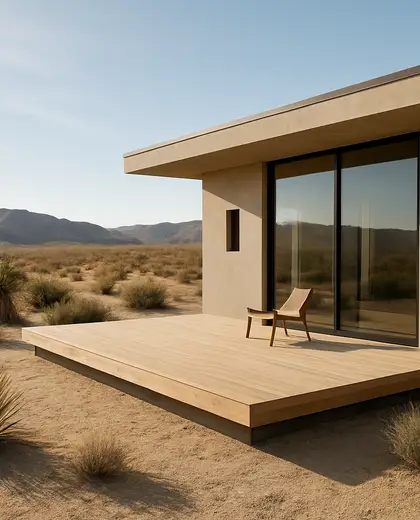
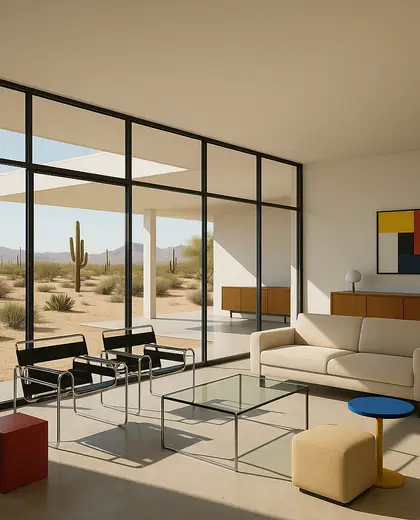
What plants suit a desert yard?
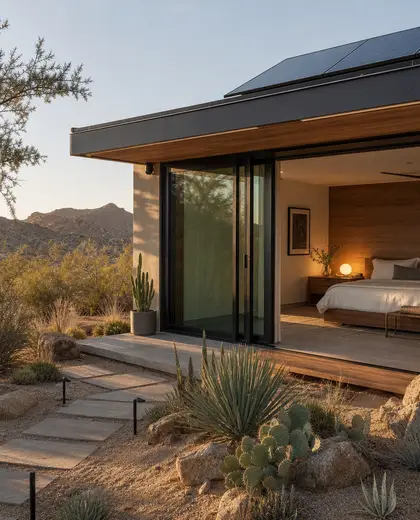
Choose drought-tolerant planting such as agave, yucca, cactus, aloe, ornamental grasses, and native shrubs suited to your climate. The exact mix depends on sun exposure and frost risk.
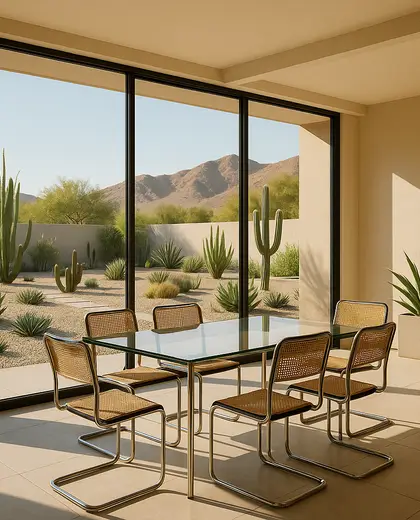
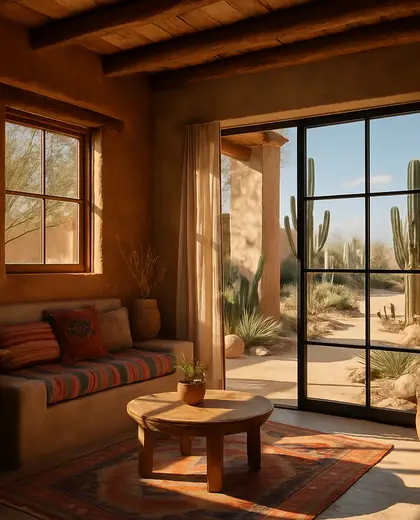
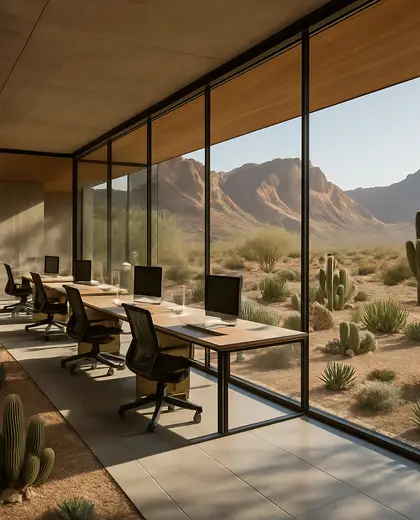
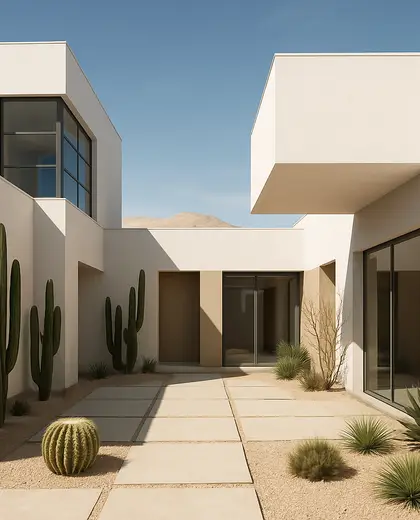
Does a desert yard have to be all gravel and no greenery?
No. Most successful versions mix gravel or stone with pockets of planting, because the contrast between open ground and selected greenery is part of the look.
— The style
What defines it
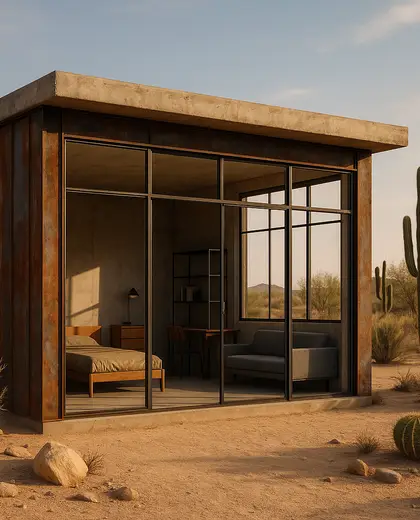
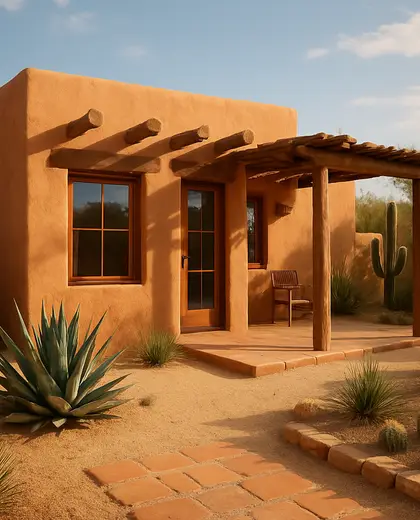
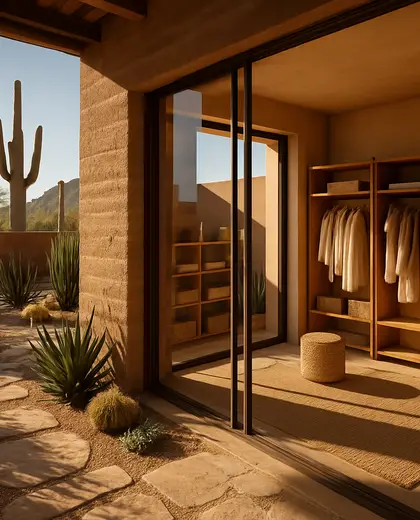
Stone, gravel, concrete, stucco, weathered wood, and metal are common, chosen for durability and low maintenance in dry climates.
Warm neutrals dominate: sand, beige, clay, terracotta, muted brown, and sun-faded gray, sometimes with deep green accents from succulents or cacti.
This composition works with shaded patios, native planting, courtyards, benches, fire features, and simple shade structures like pergolas or ramadas.
— Professionals
Who has already built it
- urban arch studioarchitects · 19 projectsView profile →
- fenixinterior designers · 6 projectsView profile →
- Bristolfurniture sellers · Bangalore · 6 projectsView profile →
- FurnitureRootsfurniture makers · Jodhpur · 6 projectsView profile →
— Questions
Frequently asked questions
How do I make a yard feel like a desert composition without it looking empty?
Use layers of hardscape, a few strong plants, and one or two focal elements such as a tree, a wall, or a shade structure. The space should feel deliberate, not crowded.
What plants suit a desert yard?
Choose drought-tolerant planting such as agave, yucca, cactus, aloe, ornamental grasses, and native shrubs suited to your climate. The exact mix depends on sun exposure and frost risk.
Does a desert yard have to be all gravel and no greenery?
No. Most successful versions mix gravel or stone with pockets of planting, because the contrast between open ground and selected greenery is part of the look.