— Ideas & inspiration
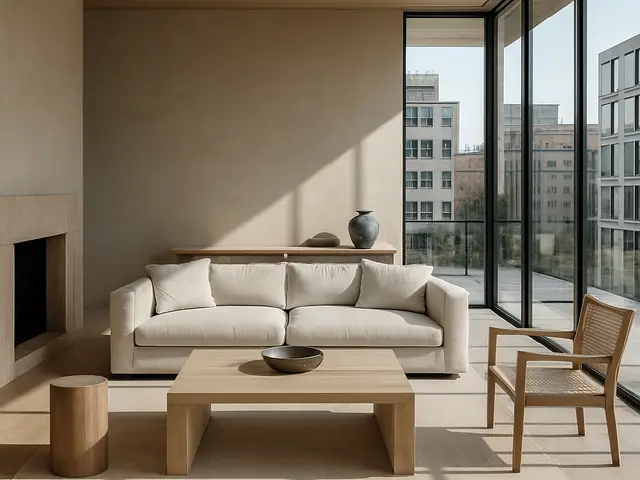
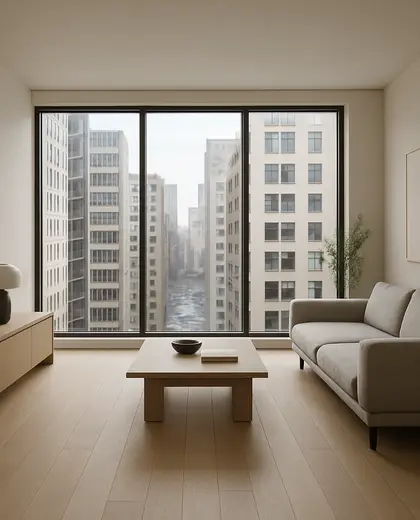
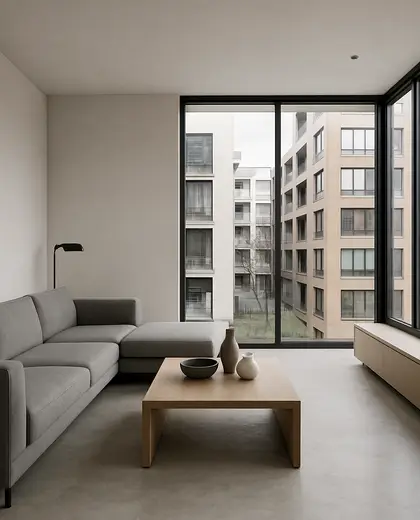
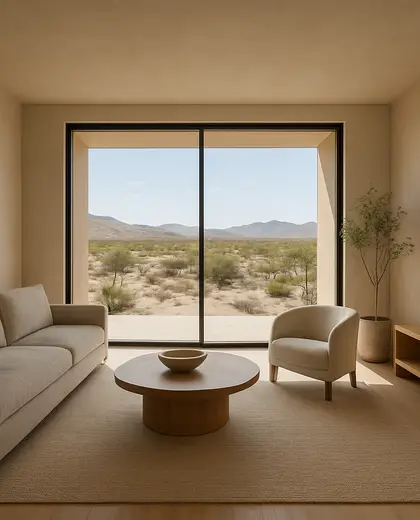
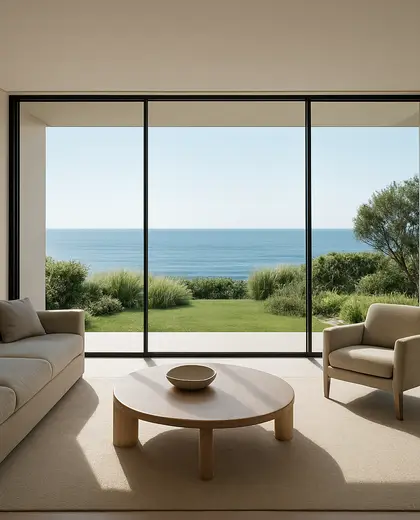
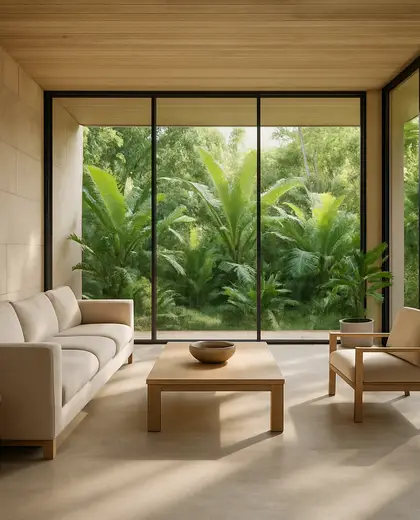
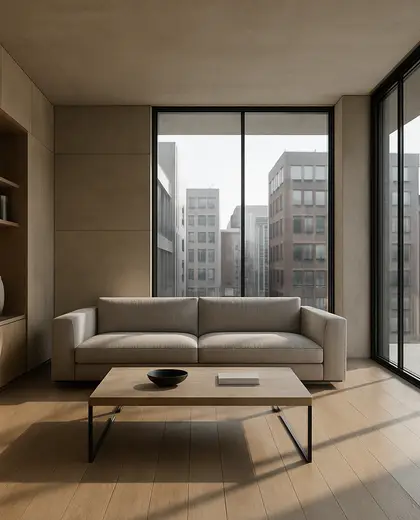
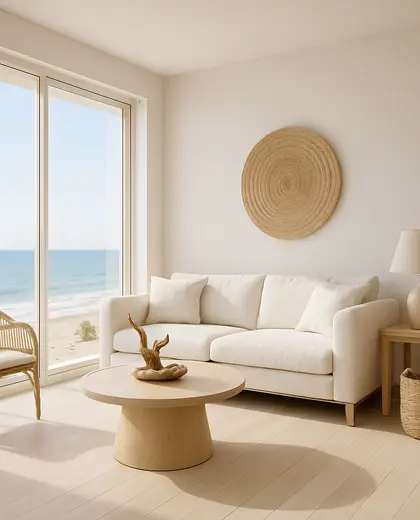
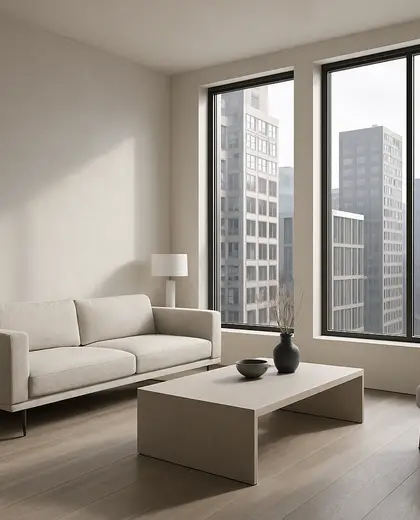
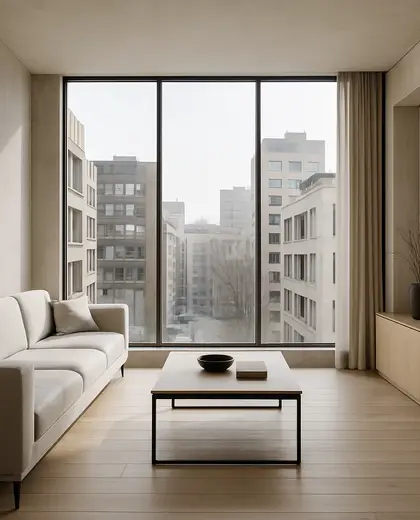
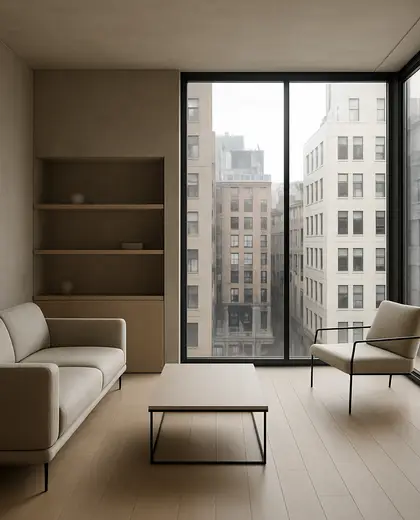
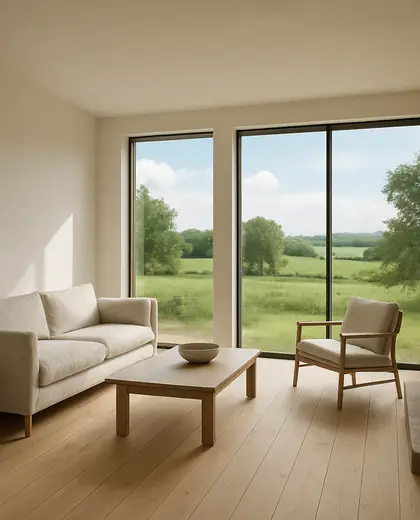
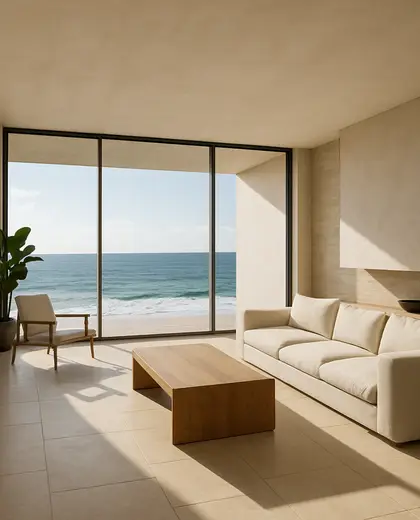
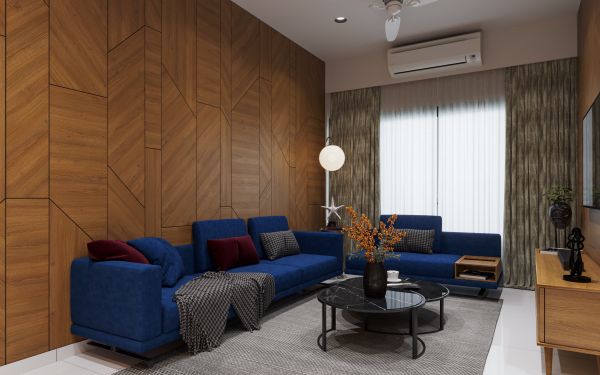
A calm living room with minimalist lines
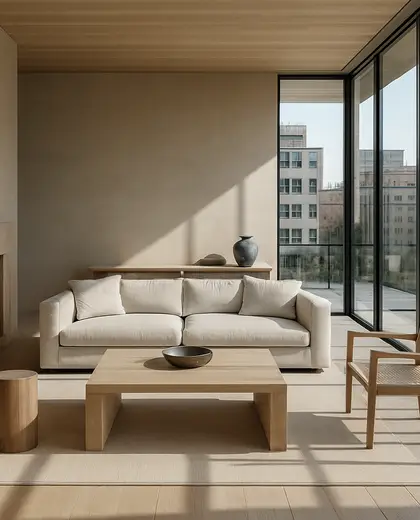
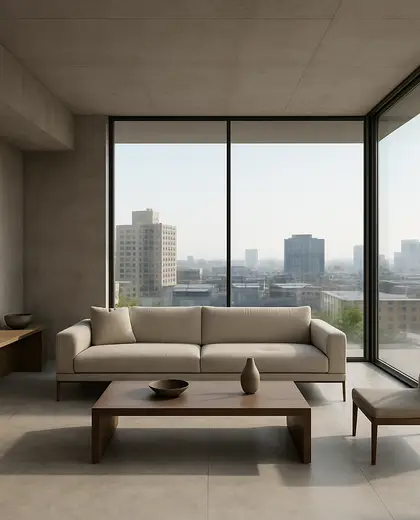
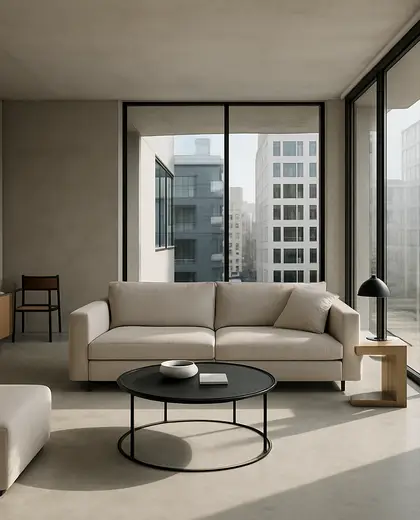
This composition is defined by clean geometry, low-profile seating, and a restrained mix of materials such as wood, stone, glass, and matte painted surfaces. The palette stays quiet, usually built on whites, warm neutrals, soft greys, and a few darker accents for contrast. Details are kept visible and simple, with open space and uncluttered surfaces doing most of the work.
- living room
- minimalist
— References
References to explore
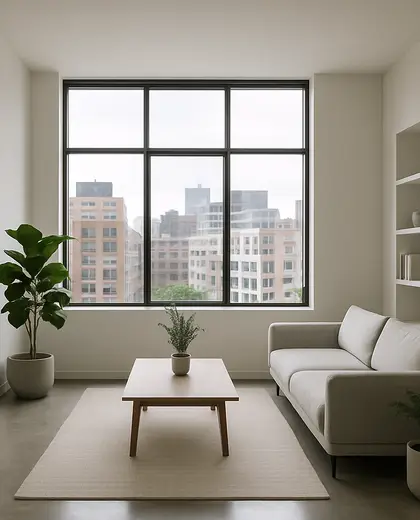
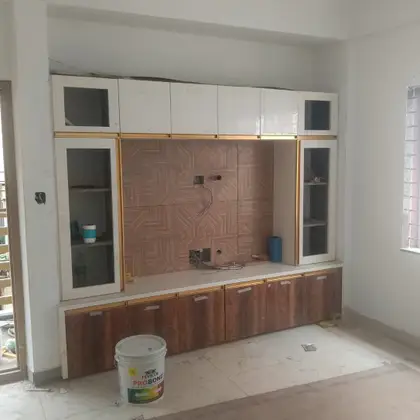
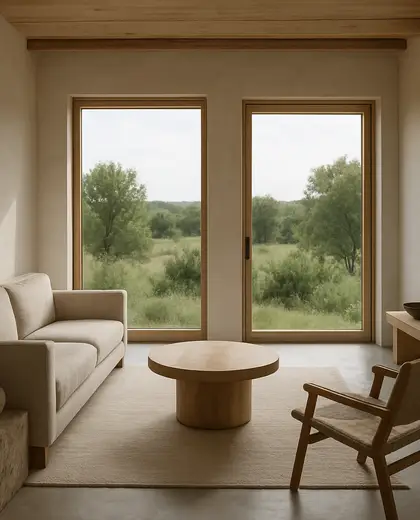
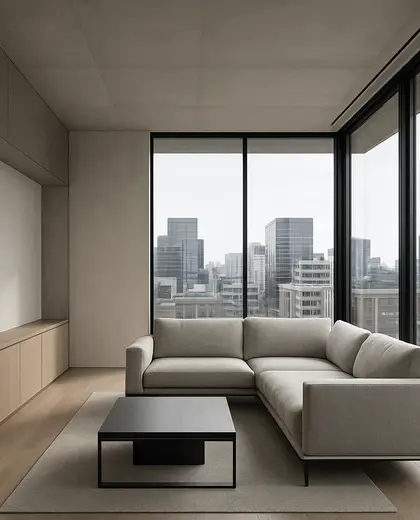
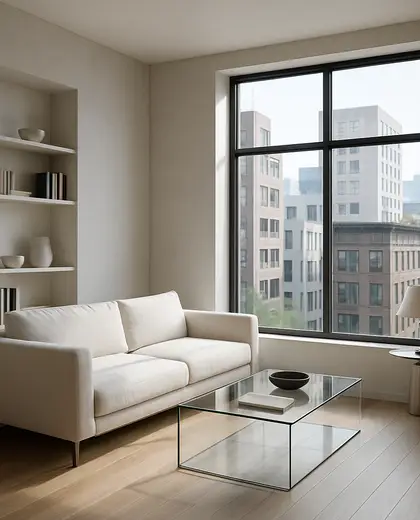
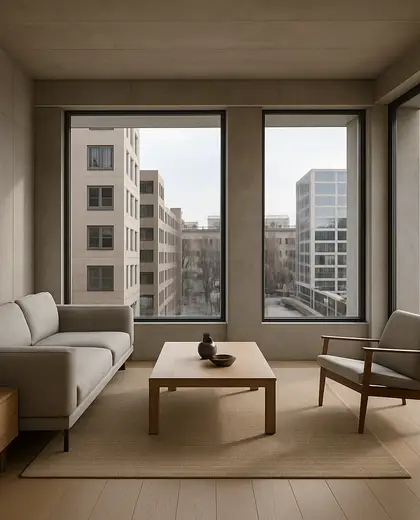
What makes a living room feel minimalist without feeling empty?
Use fewer pieces, but choose ones with clear forms and good proportions. Texture in rugs, curtains, wood, or upholstery helps the room feel finished without adding clutter.
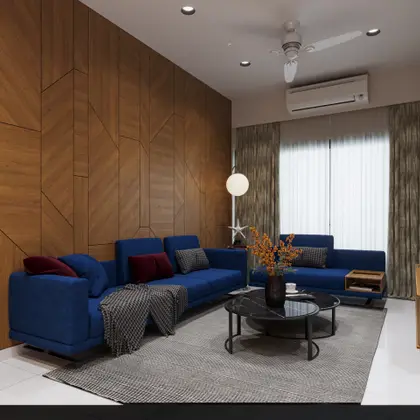
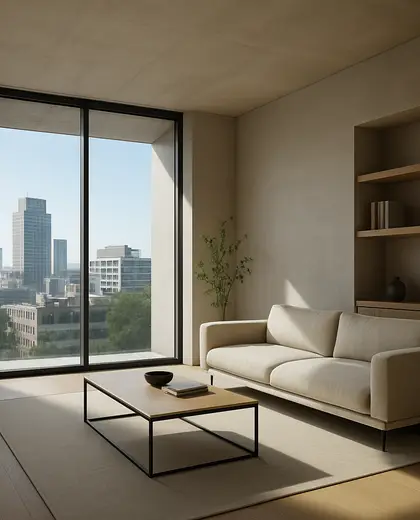
Which colors work best in a minimalist living room?
Neutrals are the safest starting point: white, warm grey, beige, and soft black accents. You can add one muted color, but keep it limited so the room stays calm.
What furniture suits this style?
Look for low, simple silhouettes with hidden storage and minimal ornament. Sofas, coffee tables, and shelving should have clean lines and avoid heavy detailing.
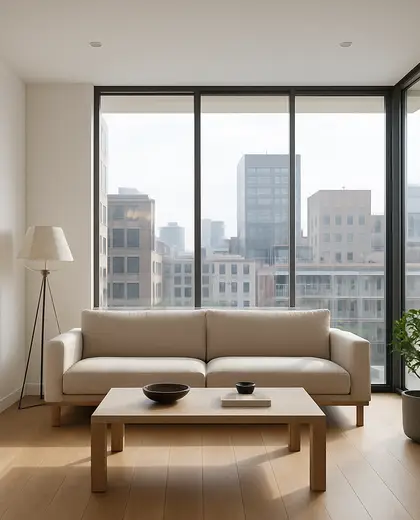
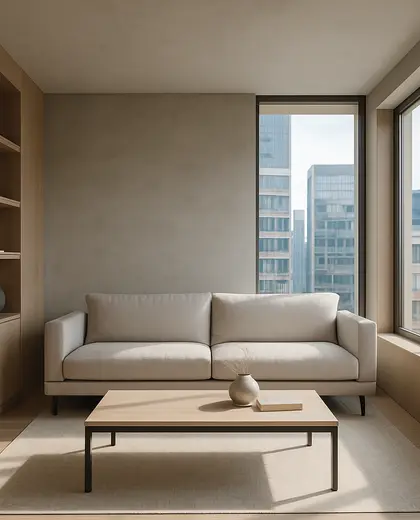
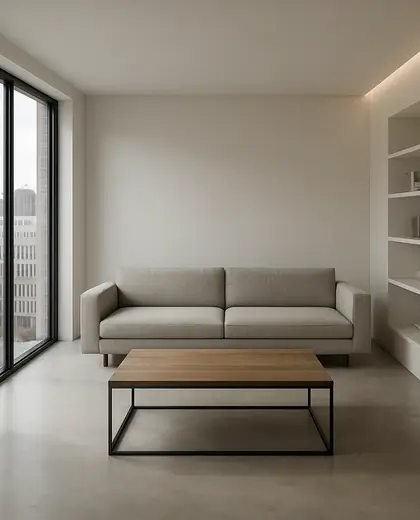
— The style
What defines it
Natural wood, smooth plaster, stone, linen, leather, glass, and matte metal are common choices.
White, ivory, beige, taupe, soft grey, and muted black create the typical minimalist look.
Works well with Scandinavian, contemporary, Japandi, and modern interiors, especially where light and openness matter.
— Professionals
Who has already built it
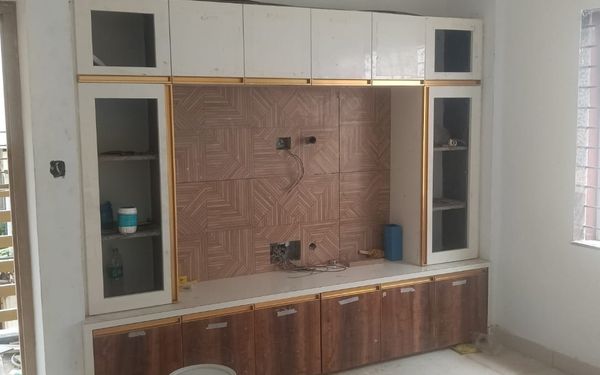


- the achievers archsmart home professionals · Delhi · 1 projectsView profile →
- home interior decoratorscarpenters · Rampur · 3 projectsView profile →
- pavit ceramics pvt ltdceramic manufacturers · Ahmedabad · 2 projectsView profile →
- Bristolfurniture sellers · Bangalore · 6 projectsView profile →
— Explore
Keep exploring
— Questions
Frequently asked questions
What makes a living room feel minimalist without feeling empty?
Use fewer pieces, but choose ones with clear forms and good proportions. Texture in rugs, curtains, wood, or upholstery helps the room feel finished without adding clutter.
Which colors work best in a minimalist living room?
Neutrals are the safest starting point: white, warm grey, beige, and soft black accents. You can add one muted color, but keep it limited so the room stays calm.
What furniture suits this style?
Look for low, simple silhouettes with hidden storage and minimal ornament. Sofas, coffee tables, and shelving should have clean lines and avoid heavy detailing.