— Ideas & inspiration
Bathrooms that feel at home in the house
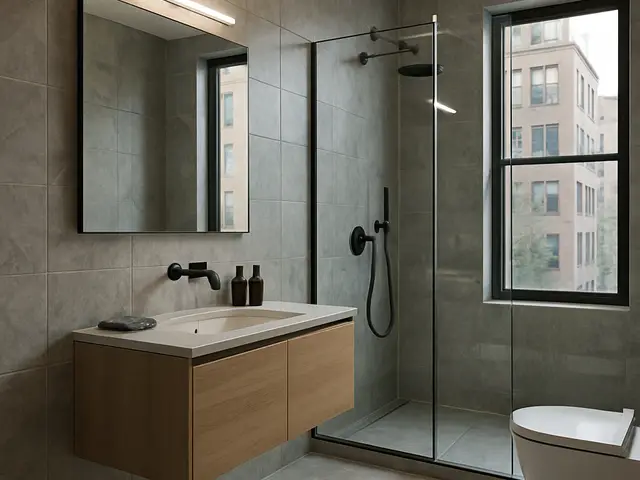
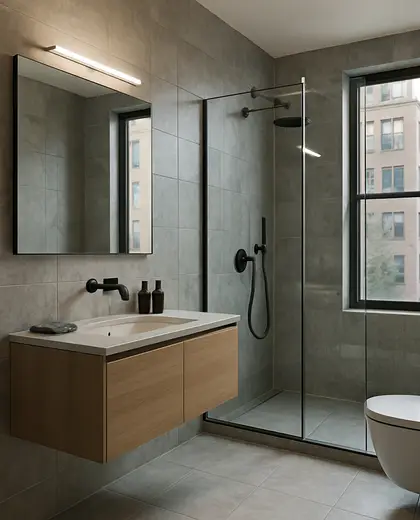
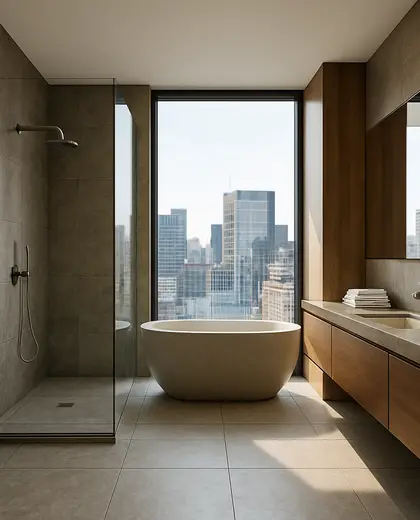
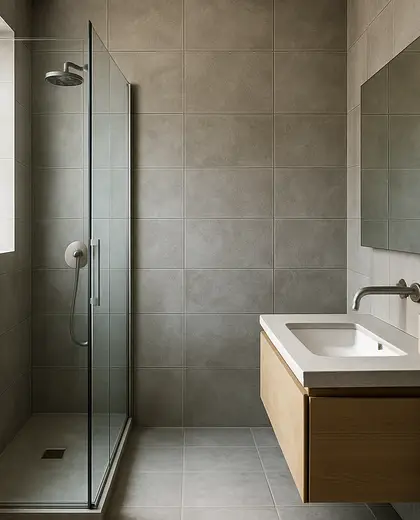
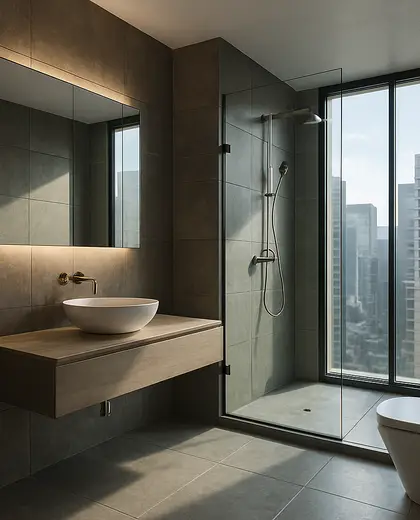
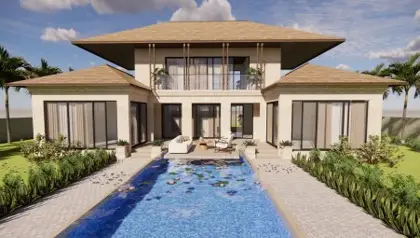
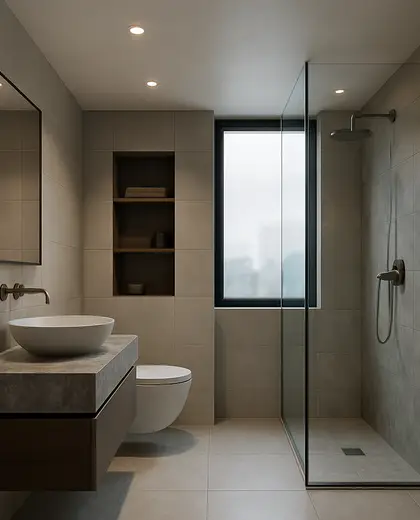
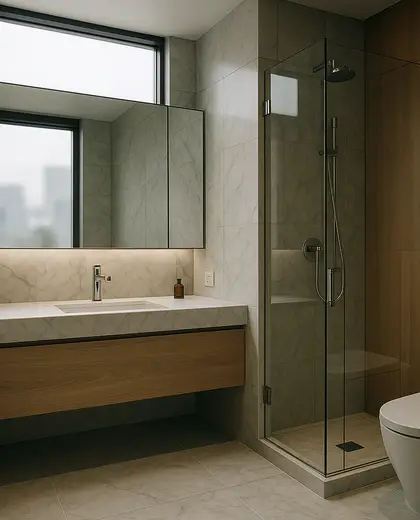
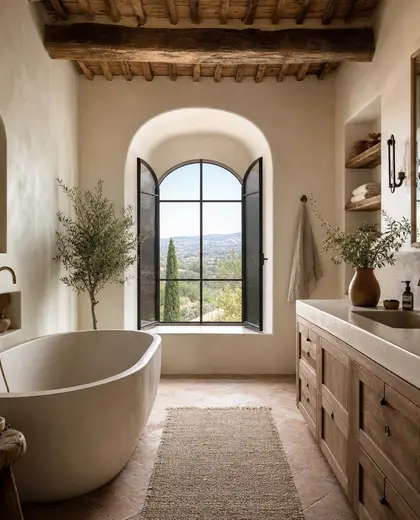
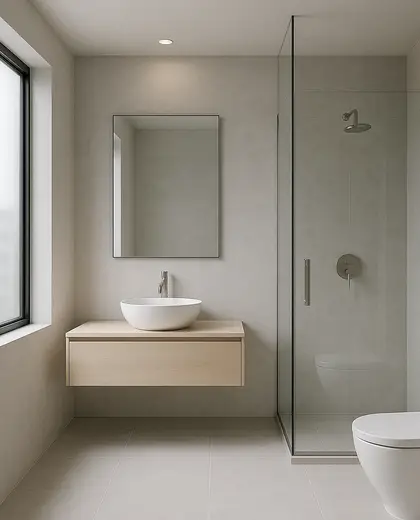
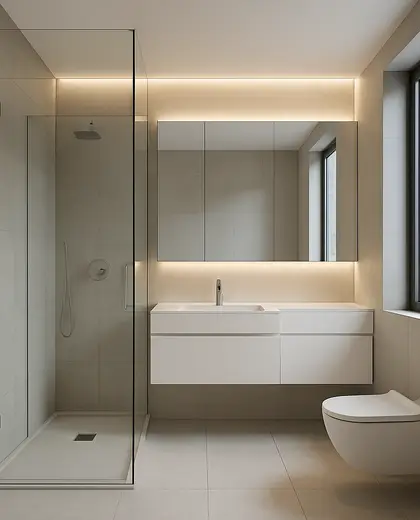
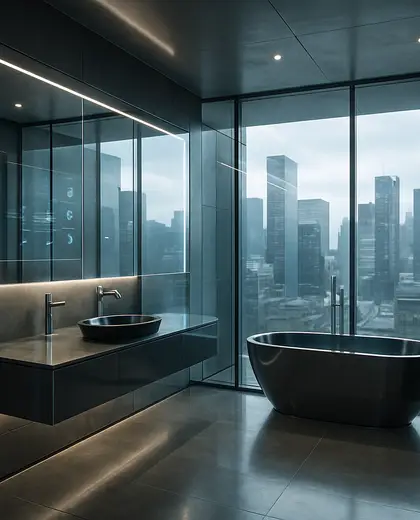
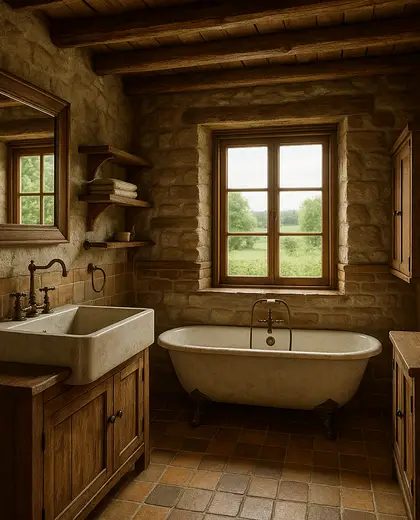
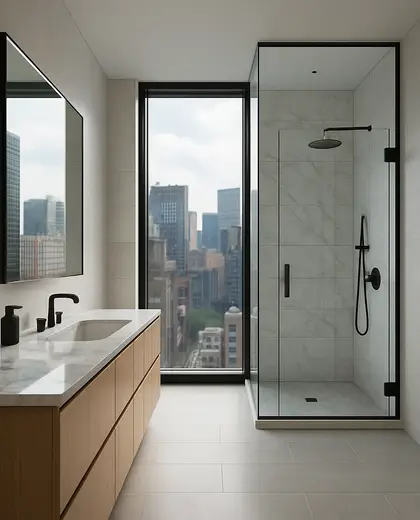
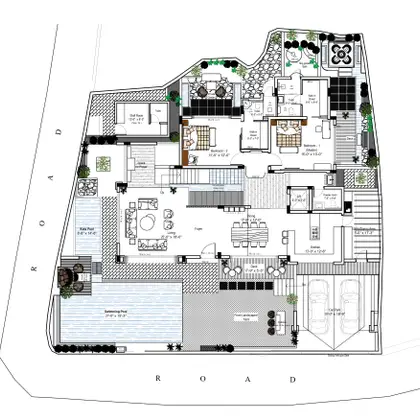
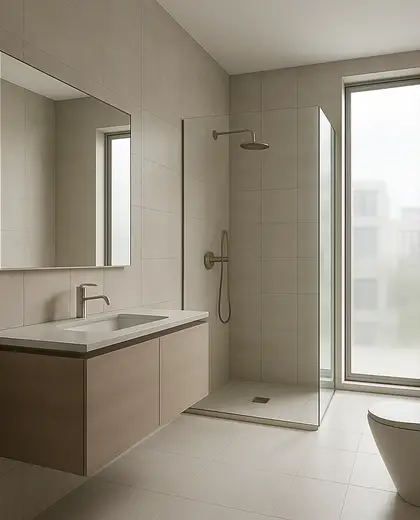
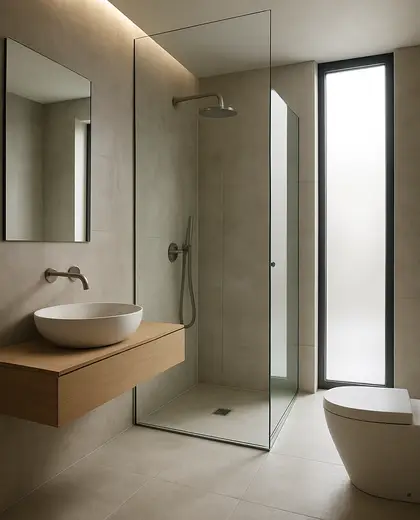
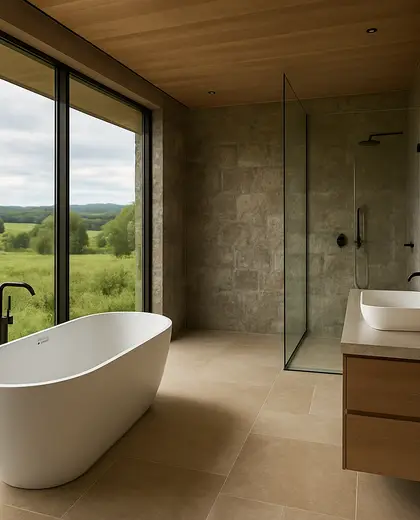
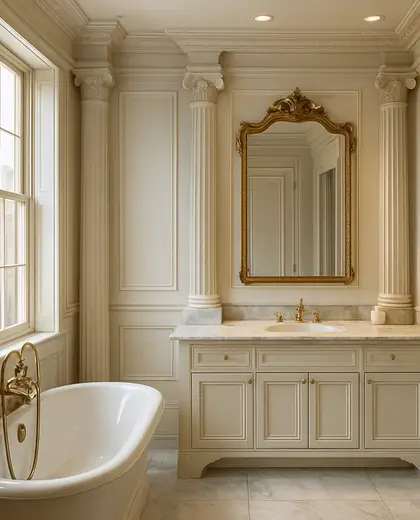
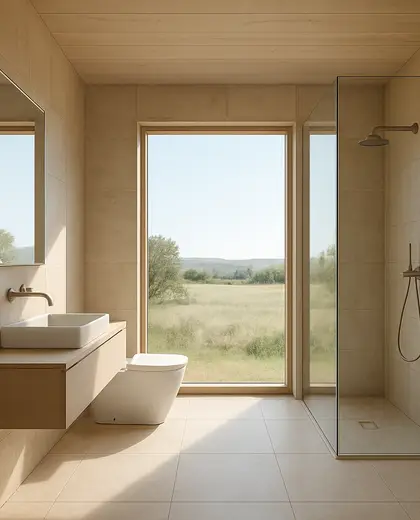
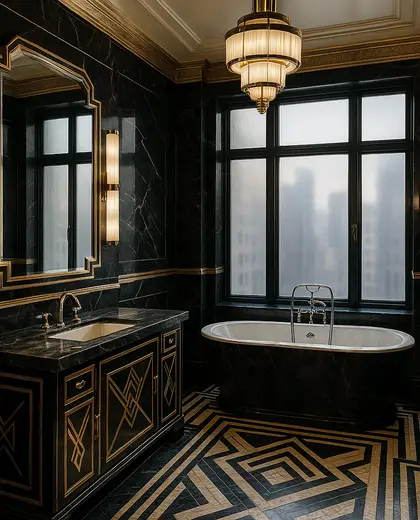
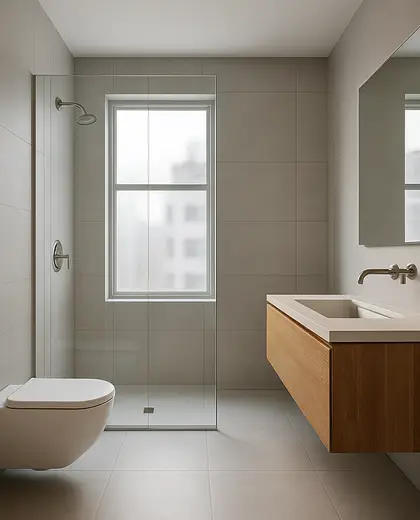
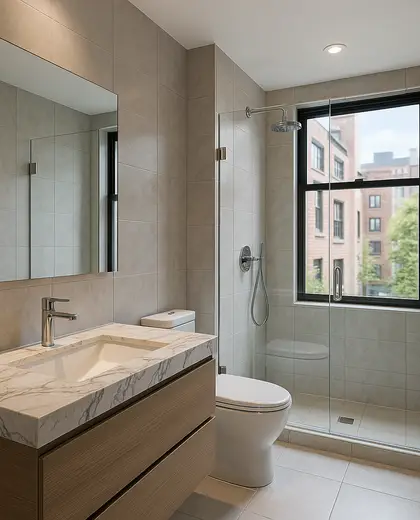
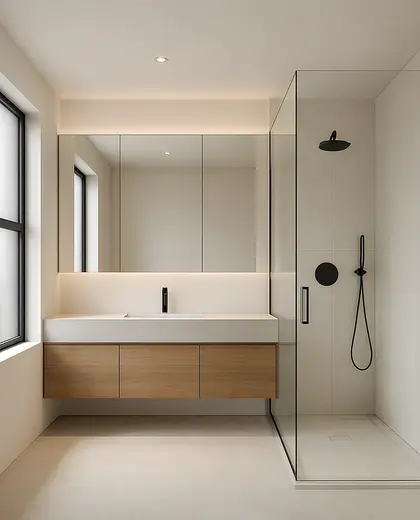
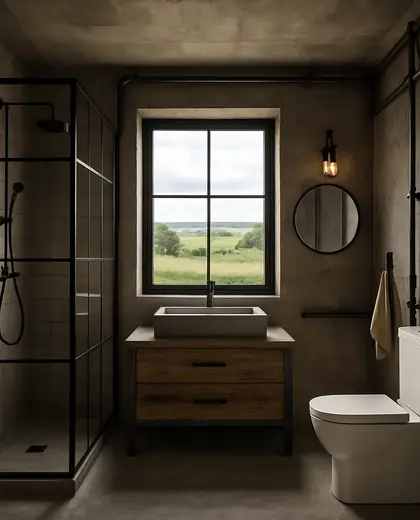
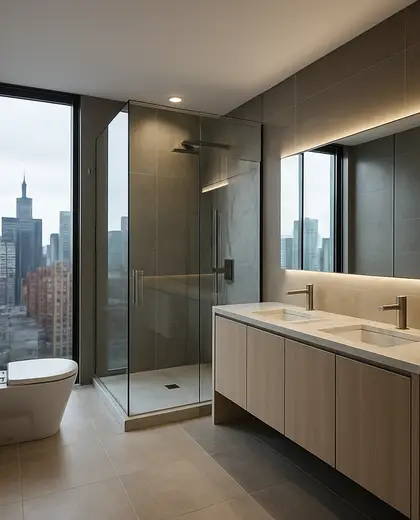
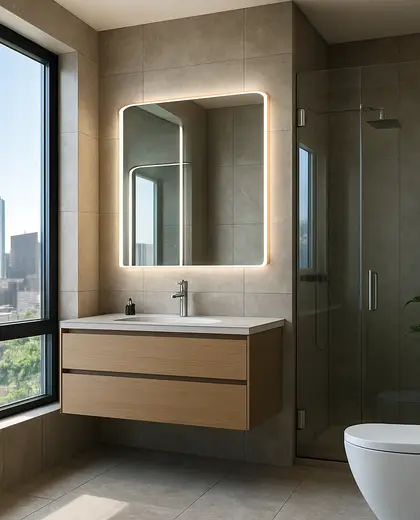
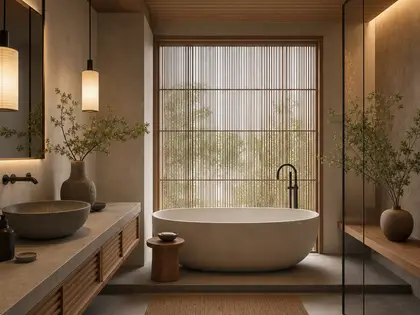
This composition pairs a bathroom with the broader language of the house, so the room feels integrated rather than isolated. It often uses durable finishes such as stone, tile, plaster, wood, and matte metal, with layouts and details that echo the home’s overall architecture. The palette is usually calm and cohesive, with white, sand, gray, warm wood, and soft black accents.
- bathroom
- house
— References
References to explore
How do I make a bathroom feel consistent with the rest of the house?
Use the same material family, hardware finish, and trim language found elsewhere in the home. Repeating wood tones, wall colors, or floor patterns helps the bathroom feel connected.
What materials work best for this kind of bathroom?
Choose moisture-resistant surfaces that still match the house’s character, such as stone, porcelain tile, sealed wood, and painted plaster. The goal is a durable room that still feels architectural.
Does this style work in both large and small houses?
Yes. In smaller houses it usually relies on simple detailing and light colors, while in larger homes it can include more generous proportions, built-ins, and stronger material contrasts.
— The style
What defines it
Stone, ceramic tile, plaster, wood veneer or solid wood, glass, and matte metal are common choices.
Neutral and quiet tones work best: white, beige, taupe, gray, warm wood, and restrained dark accents.
The bathroom is designed to connect with the house’s style, circulation, lighting, and millwork so it feels continuous with adjacent rooms.
— Professionals
Who has already built it




- Bristolfurniture sellers · Bangalore · 6 projectsView profile →
- FurnitureRootsfurniture makers · Jodhpur · 6 projectsView profile →
- Bakajoiners · Chennai · 5 projectsView profile →
- Natural Veneersbuilding material distributors · Mumbai · 4 projectsView profile →
— Questions
Frequently asked questions
How do I make a bathroom feel consistent with the rest of the house?
Use the same material family, hardware finish, and trim language found elsewhere in the home. Repeating wood tones, wall colors, or floor patterns helps the bathroom feel connected.
What materials work best for this kind of bathroom?
Choose moisture-resistant surfaces that still match the house’s character, such as stone, porcelain tile, sealed wood, and painted plaster. The goal is a durable room that still feels architectural.
Does this style work in both large and small houses?
Yes. In smaller houses it usually relies on simple detailing and light colors, while in larger homes it can include more generous proportions, built-ins, and stronger material contrasts.