— Ideas & inspiration
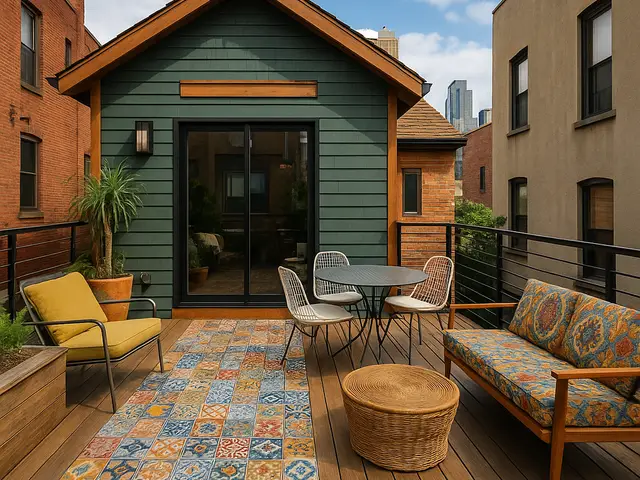
Urban deck living with a clean architectural edge
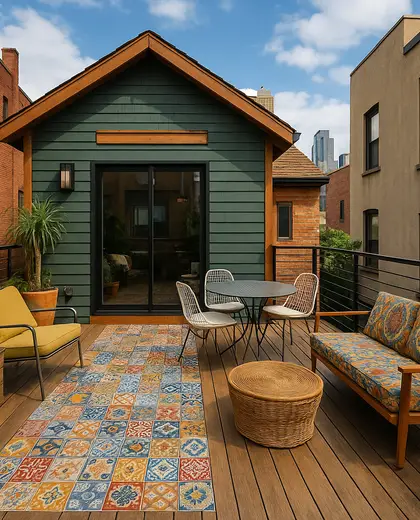
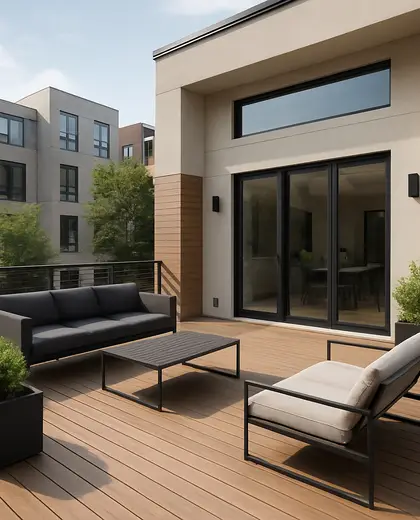
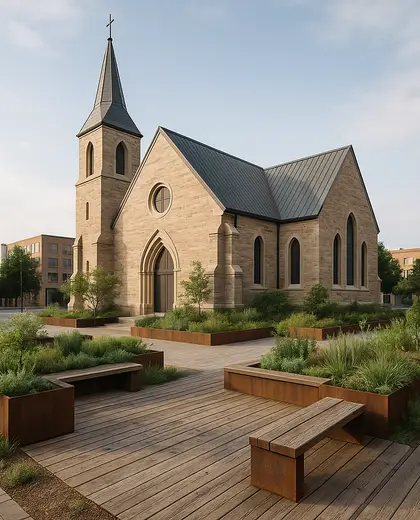
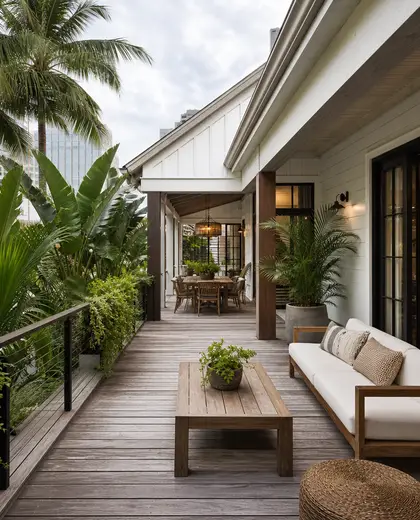
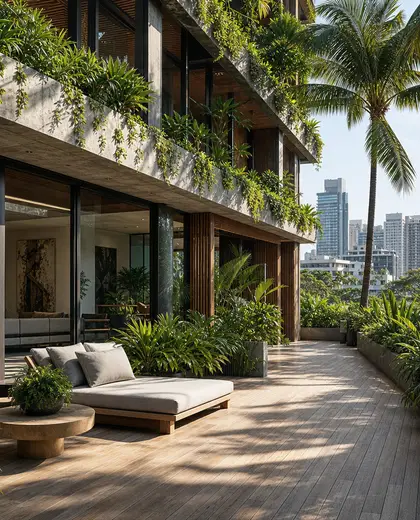
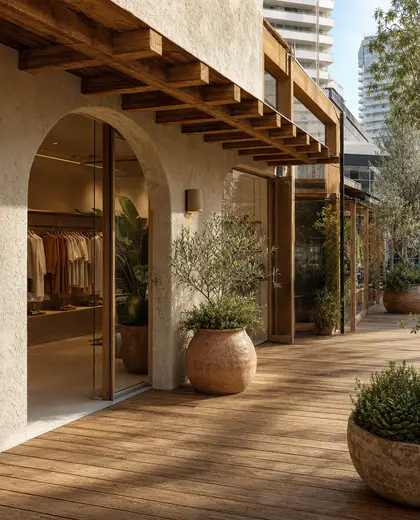
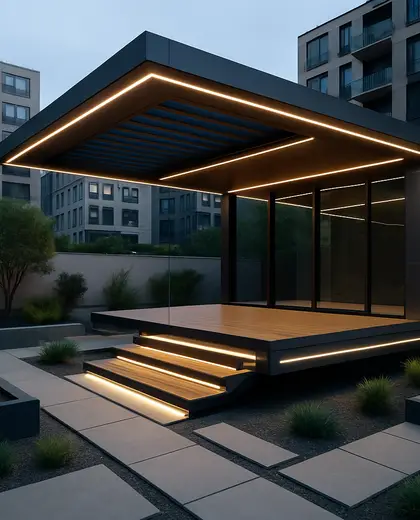
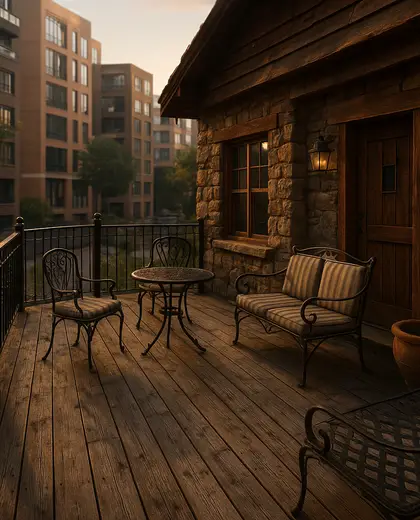
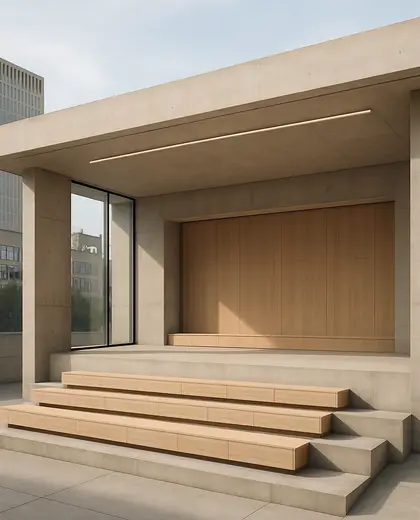
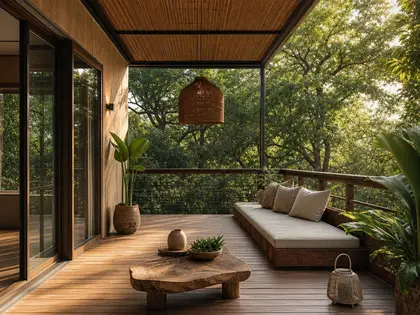
An urban deck is defined by durable, low-maintenance materials such as hardwood, composite boards, concrete, steel, and glass. The look is usually crisp and restrained, with straight lines, built-in seating, planters, and screening that fit tight city conditions. It often balances warm wood underfoot with harder surfaces and compact greenery to soften the urban setting.
- deck
- urban
— References
References to explore

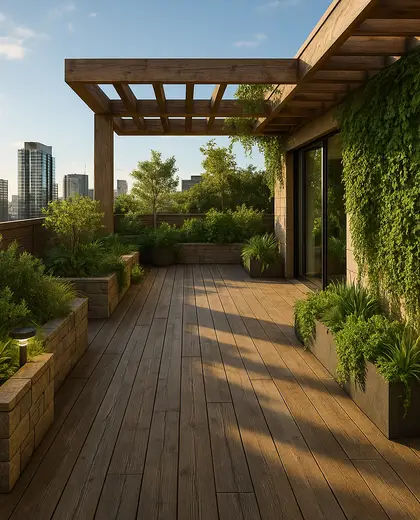
What makes a deck feel urban rather than suburban?
An urban deck usually has a more compact layout, cleaner detailing, and materials that suit exposed city conditions, like metal, concrete, and composite boards. It often uses privacy elements and planter edges to work in tighter spaces.
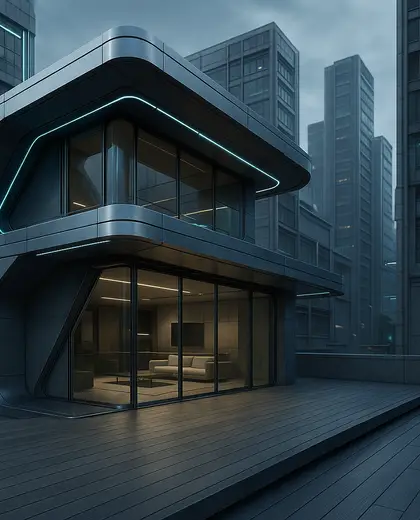
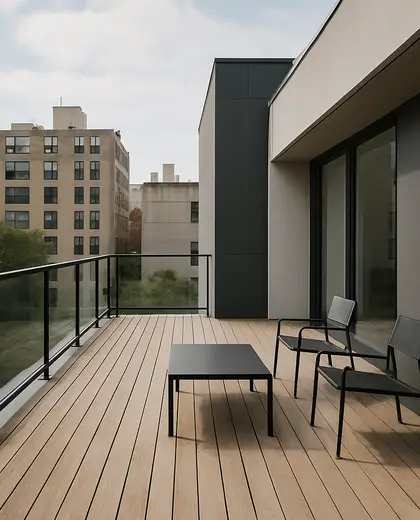
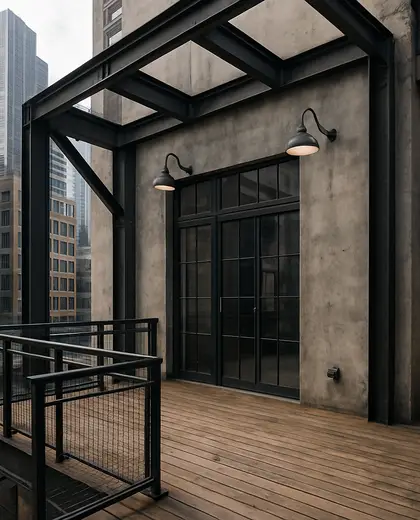
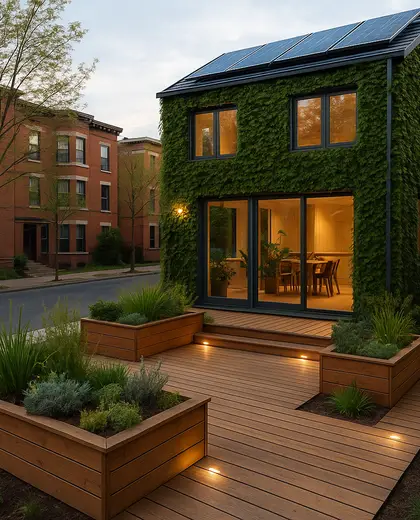
Which materials work best for a city deck?
Hardwood and composite decking are both common for the walking surface, while steel, aluminum, and concrete are often used for frames, steps, and edges. Glass or slatted screens can help with safety and privacy without making the space feel heavy.
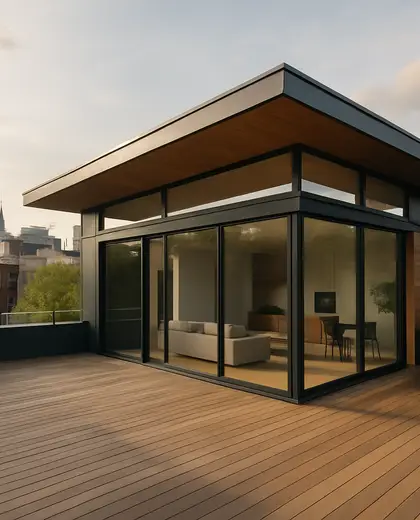
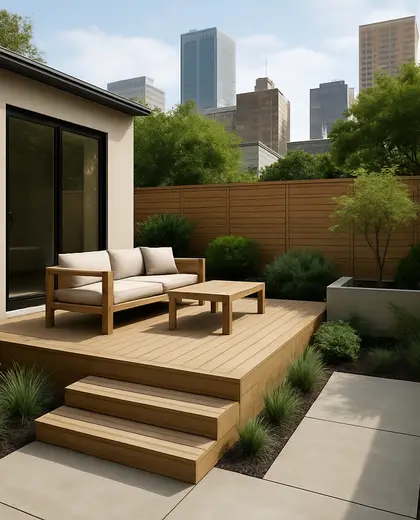
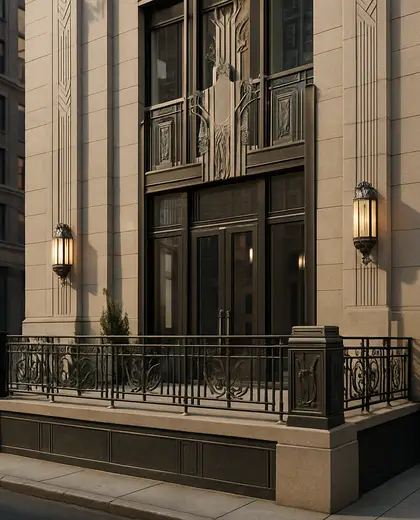
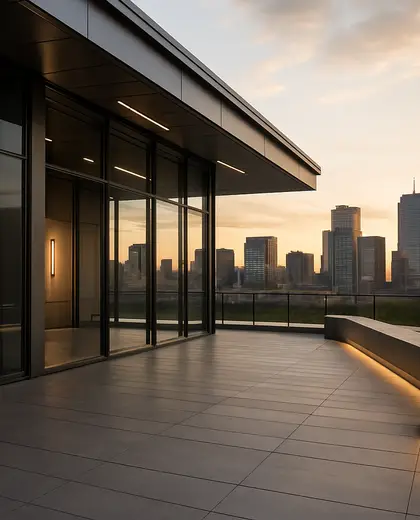
How do you soften a hard urban deck design?
Use planting in built-in boxes, warmer timber tones, outdoor textiles, and a few curved or softened edges. Lighting also helps make the space feel less rigid at night.
— The style
What defines it
Composite decking, hardwood, powder-coated steel, concrete, and glass are the most common choices.
Neutral grays, charcoal, black, warm timber tones, and muted greens work best in city settings.
Often paired with rooftop terraces, small courtyards, railings, privacy screens, and built-in planting.
— Professionals
Who has already built it

- the achievers archsmart home professionals · Delhi · 1 projectsView profile →
- home interior decoratorscarpenters · Rampur · 3 projectsView profile →
- pavit ceramics pvt ltdceramic manufacturers · Ahmedabad · 2 projectsView profile →
- Bristolfurniture sellers · Bangalore · 6 projectsView profile →
— Explore
Keep exploring
— Questions
Frequently asked questions
What makes a deck feel urban rather than suburban?
An urban deck usually has a more compact layout, cleaner detailing, and materials that suit exposed city conditions, like metal, concrete, and composite boards. It often uses privacy elements and planter edges to work in tighter spaces.
Which materials work best for a city deck?
Hardwood and composite decking are both common for the walking surface, while steel, aluminum, and concrete are often used for frames, steps, and edges. Glass or slatted screens can help with safety and privacy without making the space feel heavy.
How do you soften a hard urban deck design?
Use planting in built-in boxes, warmer timber tones, outdoor textiles, and a few curved or softened edges. Lighting also helps make the space feel less rigid at night.