— Ideas & inspiration
A store set against the mountain
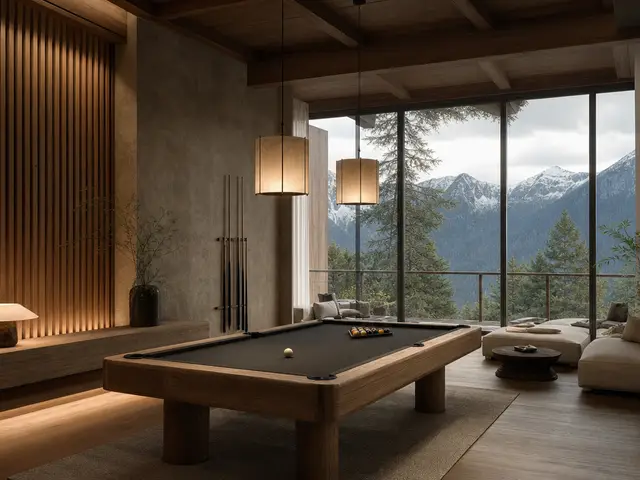
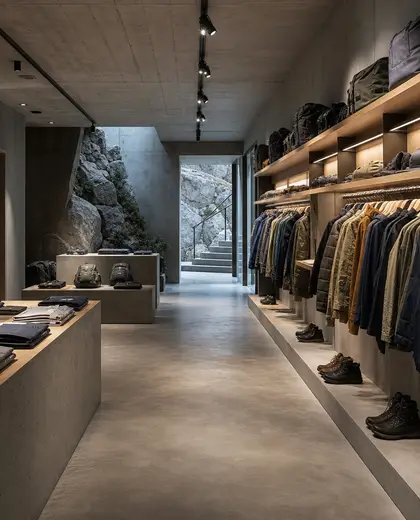
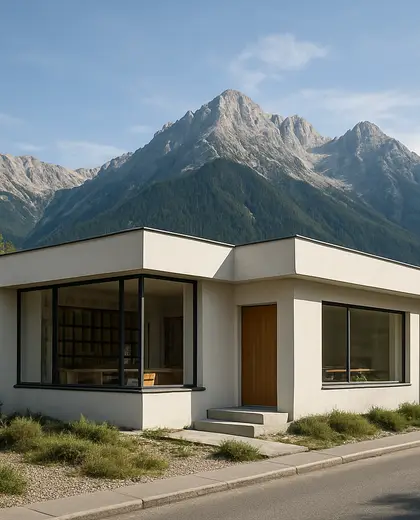
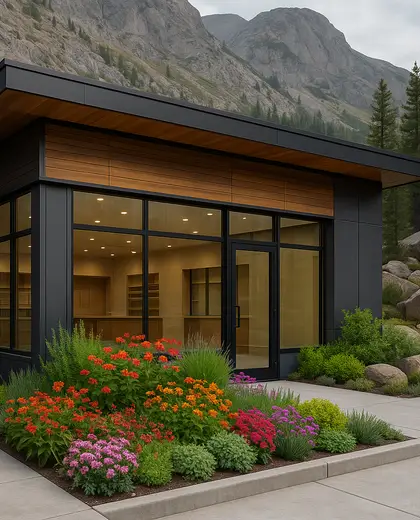
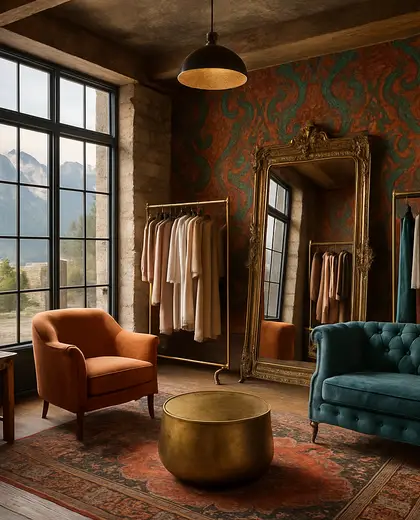
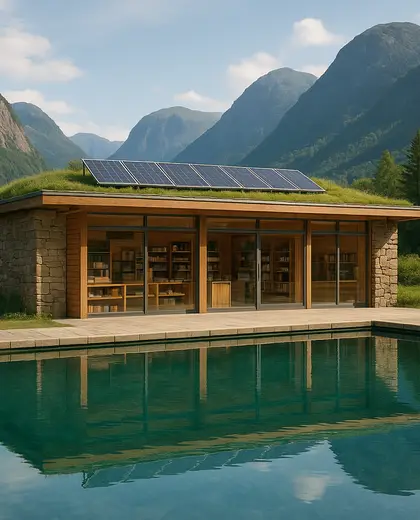
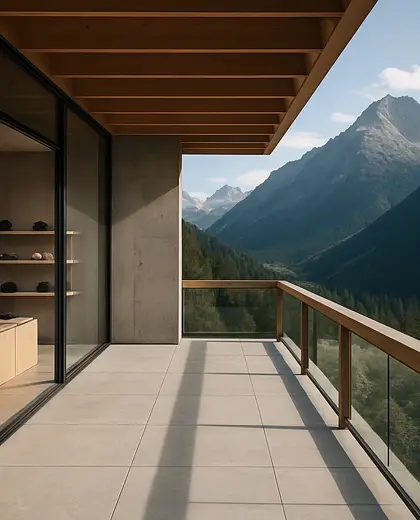
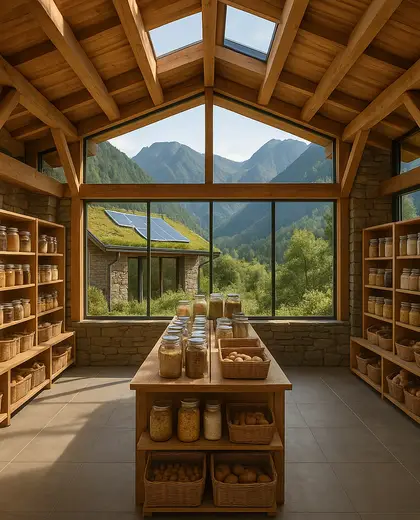
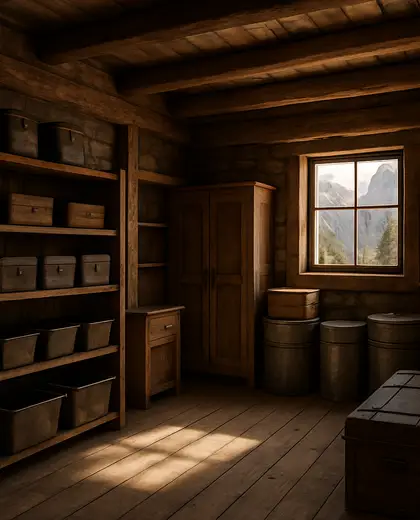
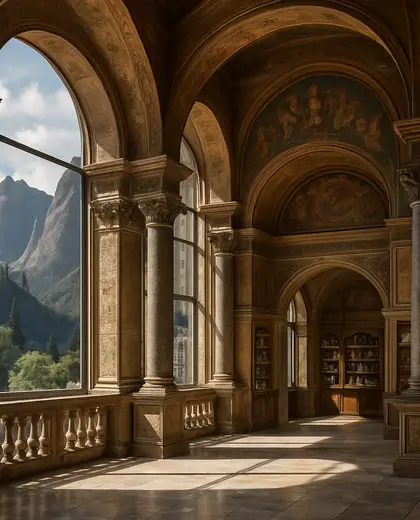
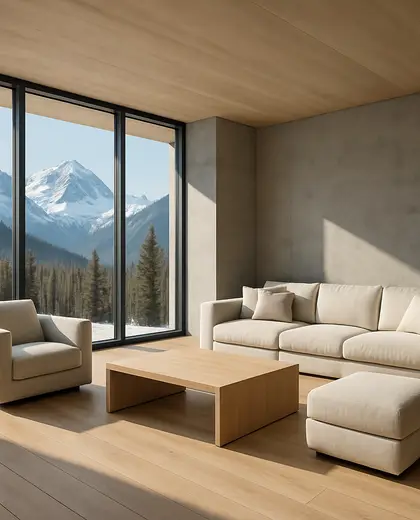
This composition is defined by a compact commercial volume anchored to a rugged landscape, often using stone, timber, and exposed concrete. Large openings, deep overhangs, and terraces frame views while protecting the interior from wind, snow, and strong sun. The look balances utilitarian storefront clarity with the heavier presence of mountain architecture.
- store
- mountain
— References
References to explore
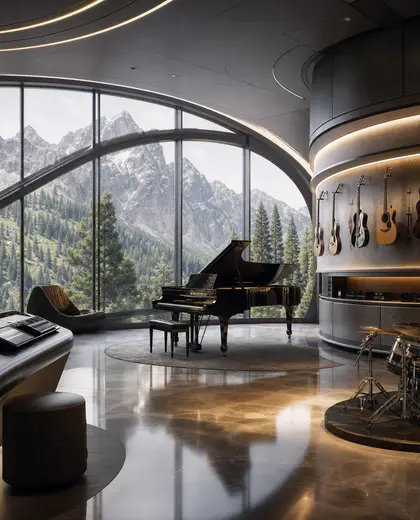
How do you make a store feel appropriate for a mountain setting?
Use a simple, sturdy massing, durable exterior materials, and openings that protect against climate while still framing the landscape.
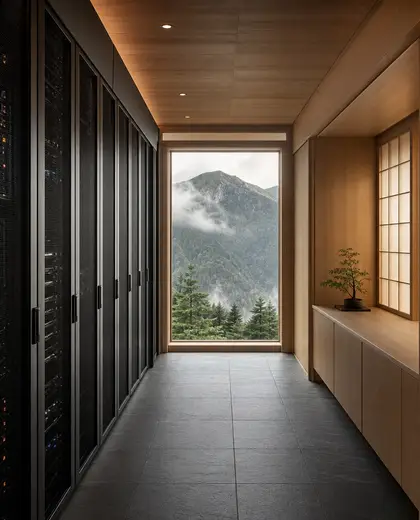
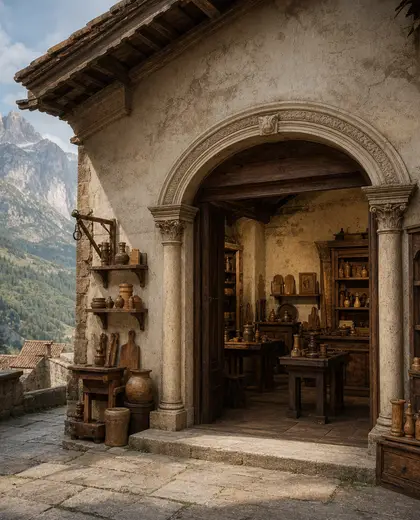
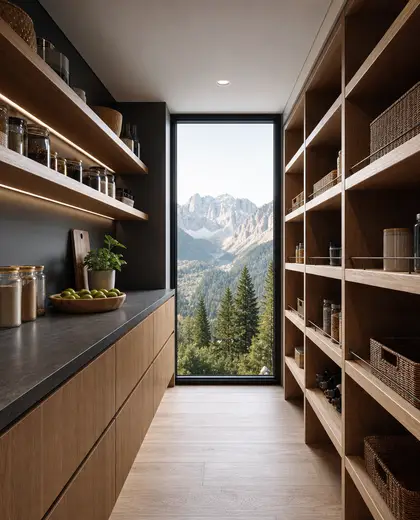
What materials work best for this look?
Stone and timber are the most common starting points, often paired with concrete or metal for structure and weather protection.

Does this style need large windows everywhere?
Not necessarily. It works best with selective glazing: enough glass for views and daylight, but not so much that the building loses its sheltered, solid character.
— The style
What defines it
Stone, timber, board-formed concrete, metal, and glass are common, chosen for durability and weather resistance.
Earthy neutrals, dark browns, charcoal, muted greys, and weathered natural finishes keep the building grounded.
It blends a retail or hospitality storefront with alpine massing, sheltered entries, and view-oriented glazing.
— Professionals
Who has already built it
- nikitha kumananinterior designers · 6 projectsView profile →
- urban arch studioarchitects · 19 projectsView profile →
- Bristolfurniture sellers · Bangalore · 6 projectsView profile →
- FurnitureRootsfurniture makers · Jodhpur · 6 projectsView profile →
— Explore
Keep exploring
— Questions
Frequently asked questions
How do you make a store feel appropriate for a mountain setting?
Use a simple, sturdy massing, durable exterior materials, and openings that protect against climate while still framing the landscape.
What materials work best for this look?
Stone and timber are the most common starting points, often paired with concrete or metal for structure and weather protection.
Does this style need large windows everywhere?
Not necessarily. It works best with selective glazing: enough glass for views and daylight, but not so much that the building loses its sheltered, solid character.