— Ideas & inspiration
Rustic warmth for a lived-in home
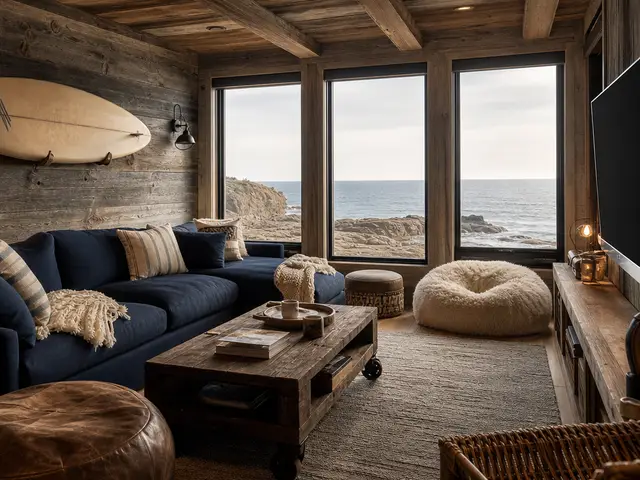
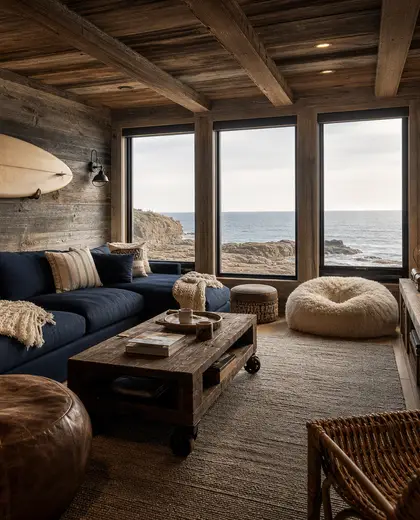
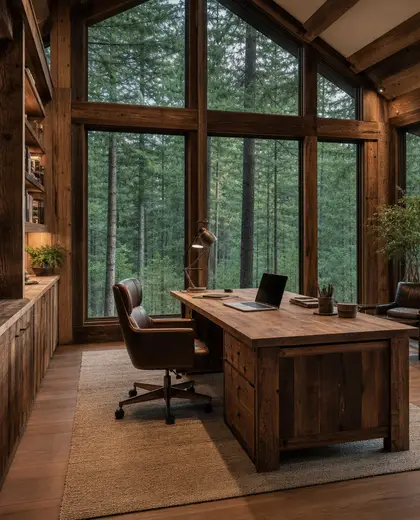
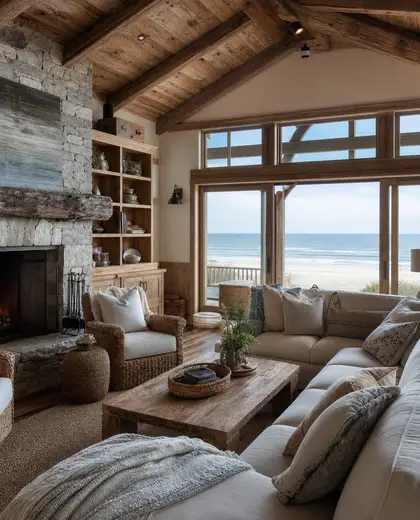
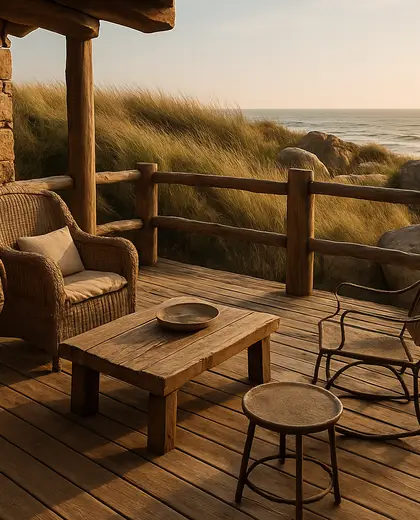
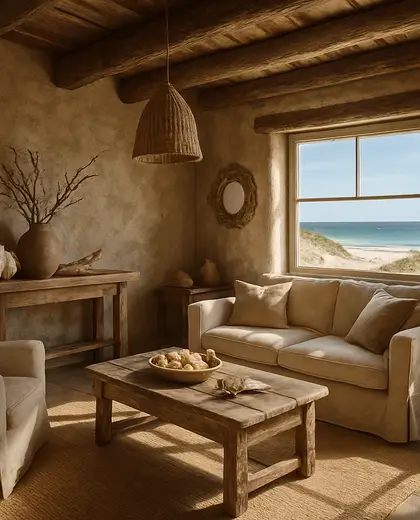
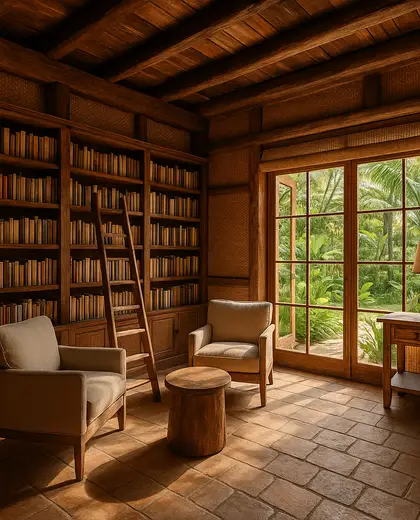
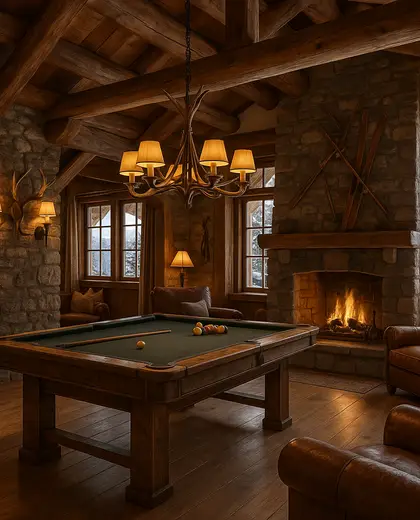
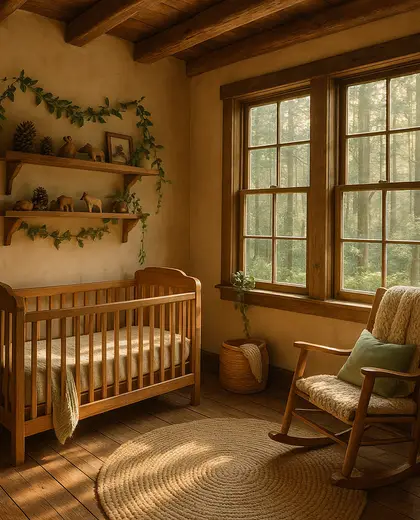
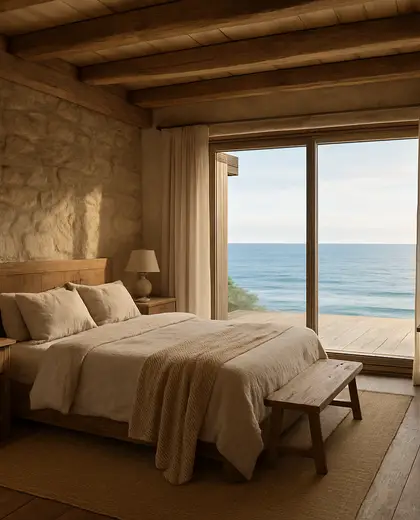
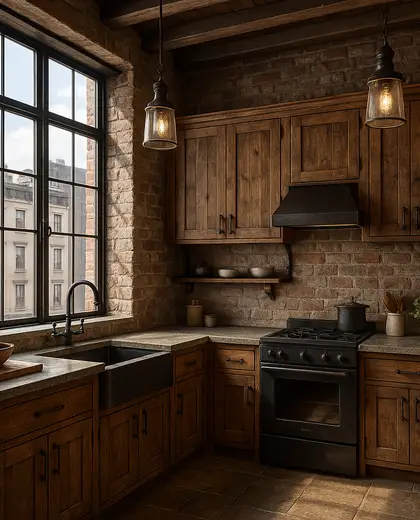
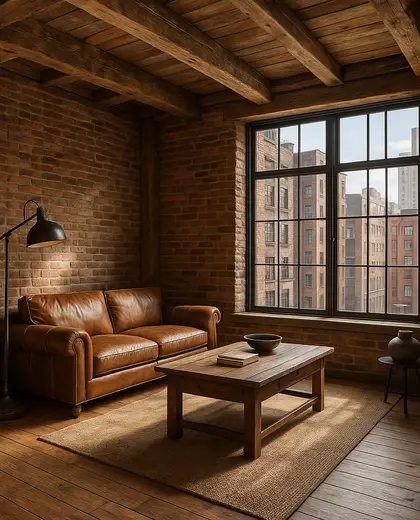
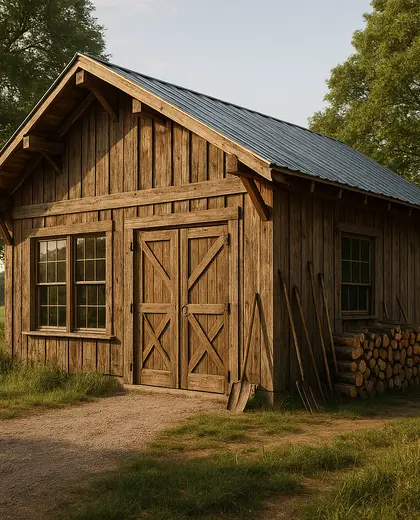
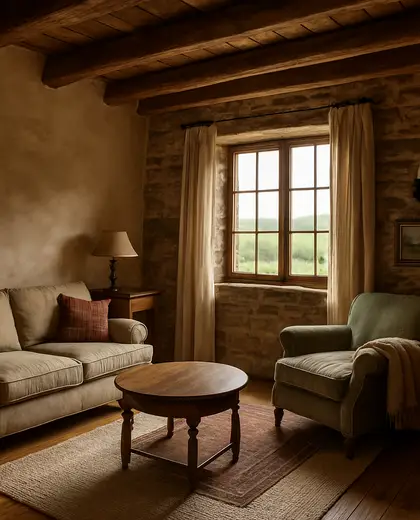
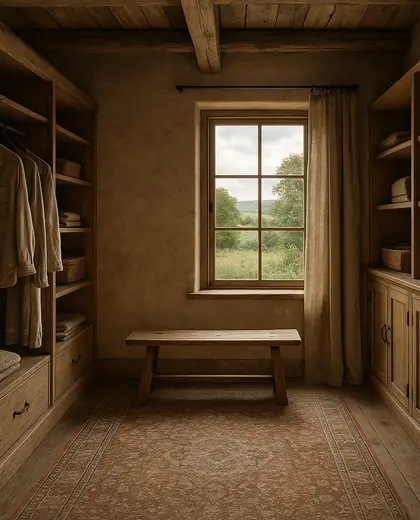
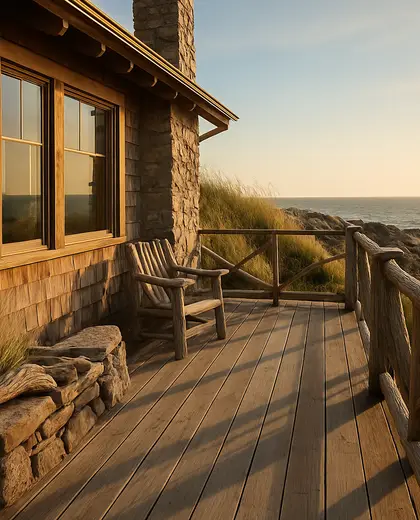
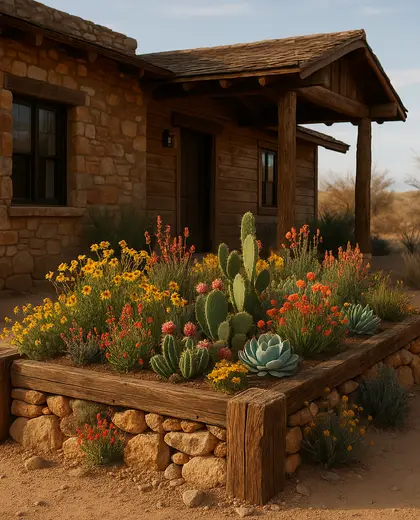
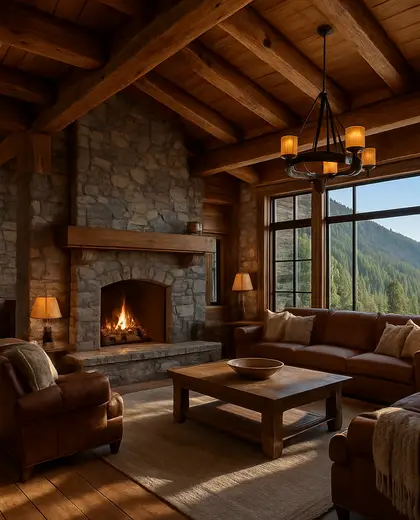
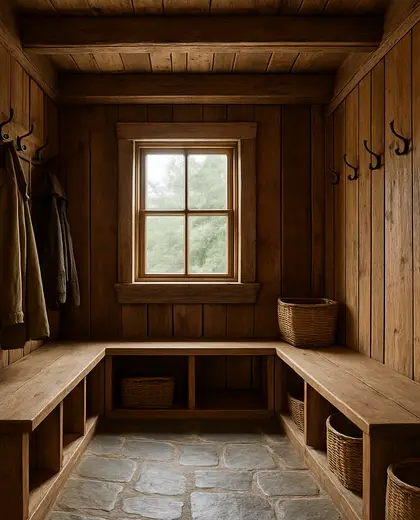
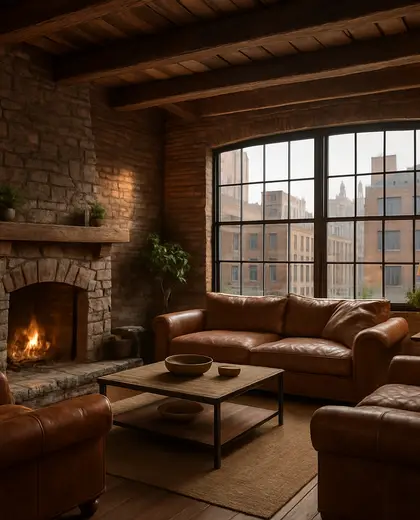
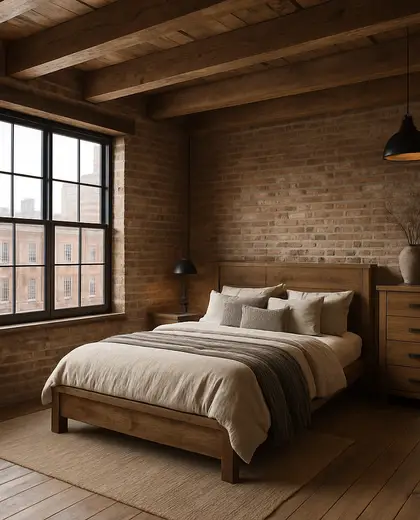
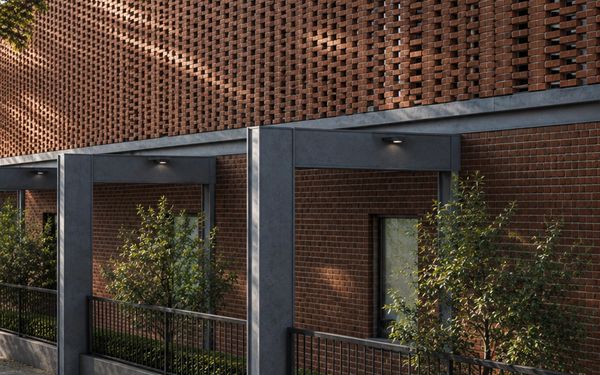
This composition pairs a home interior with rustic character through natural materials, visible texture, and an unfussy, lived-in layout. Think wood, stone, plaster, aged metal, woven fibers, and simple silhouettes in warm, earthy tones. The result feels grounded, practical, and comfortably handmade.
- home
- rustic
— References
References to explore
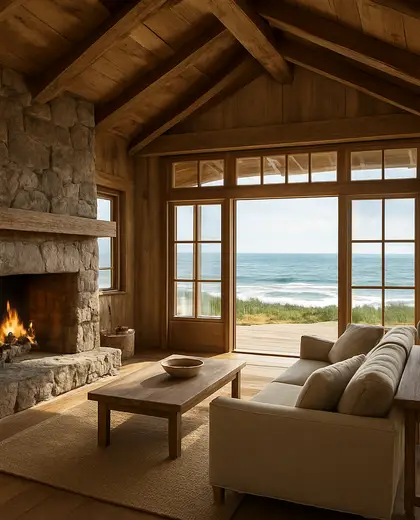
What makes a home feel rustic without looking dated?
Use natural materials, keep the finishes simple, and balance rough textures with clean lines and a calm palette. Avoid overly heavy ornament and mix older-looking pieces with a few refined details.
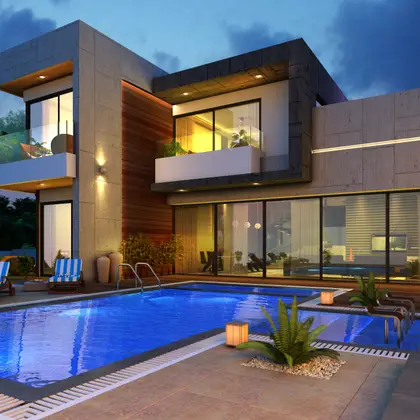
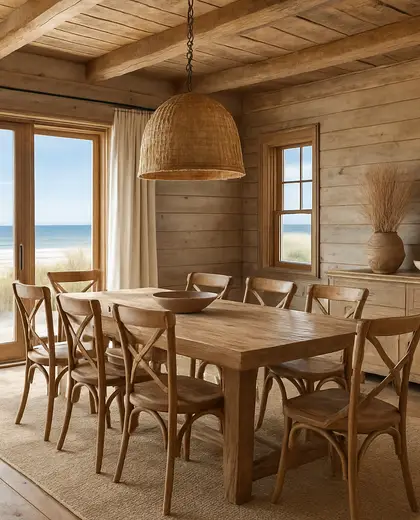
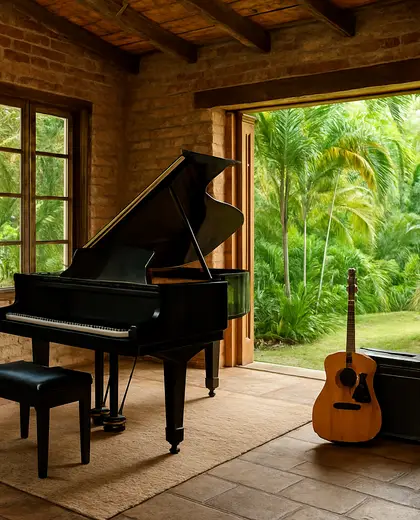
Can rustic design work in a modern home?
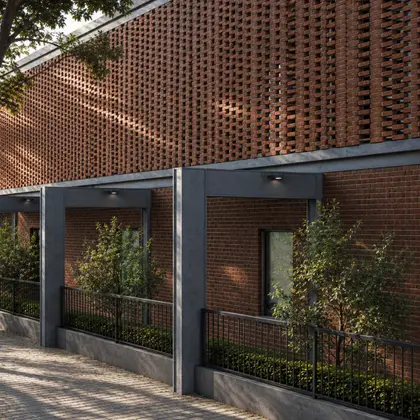
Yes. A modern home can take on rustic character through wood flooring, textured walls, handcrafted furniture, and softened lighting. The key is to keep the architecture clean while adding warmth through material choices.
What colors fit a rustic home interior?
Earth tones work best: warm whites, beige, taupe, brown, stone gray, muted olive, and clay. Accent colors usually stay subdued so the natural materials remain the focus.
— The style
What defines it
Wood beams, reclaimed timber, stone, plaster, linen, leather, and wrought iron are common choices.
Warm neutrals, browns, soft grays, clay, cream, and muted green or rust tones set the mood.
Works well with farmhouse, cottage, cabin, Scandinavian, and contemporary home interiors.
— Professionals
Who has already built it
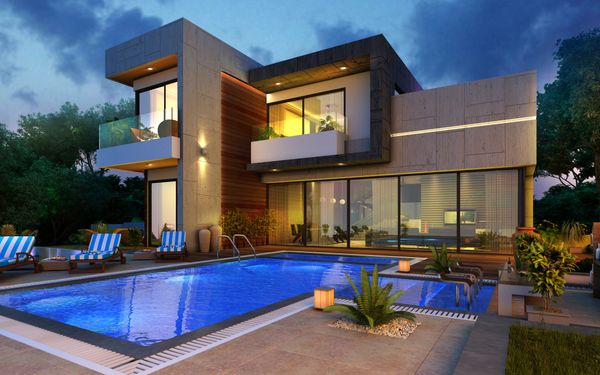




- husain bhurkaarchitects · 1 projectsView profile →
- pavit ceramics pvt ltdceramic manufacturers · Ahmedabad · 2 projectsView profile →
- chaitanya anvekarinterior designers · Mumbai · 1 projectsView profile →
- ar rini jariwalalandscape designers · Surat · 1 projectsView profile →
— Questions
Frequently asked questions
What makes a home feel rustic without looking dated?
Use natural materials, keep the finishes simple, and balance rough textures with clean lines and a calm palette. Avoid overly heavy ornament and mix older-looking pieces with a few refined details.
Can rustic design work in a modern home?
Yes. A modern home can take on rustic character through wood flooring, textured walls, handcrafted furniture, and softened lighting. The key is to keep the architecture clean while adding warmth through material choices.
What colors fit a rustic home interior?
Earth tones work best: warm whites, beige, taupe, brown, stone gray, muted olive, and clay. Accent colors usually stay subdued so the natural materials remain the focus.