— Ideas & inspiration
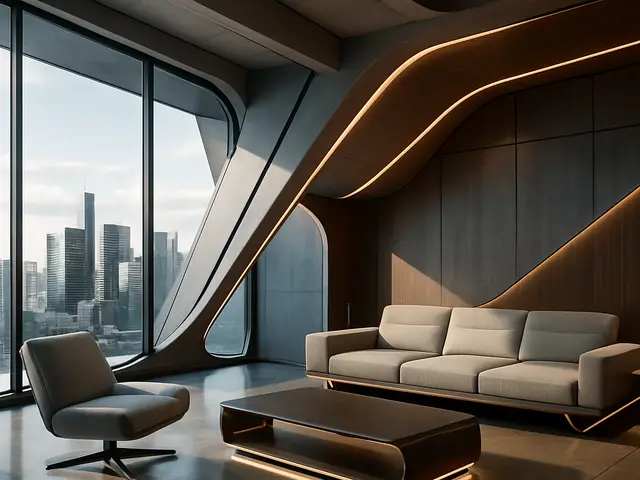
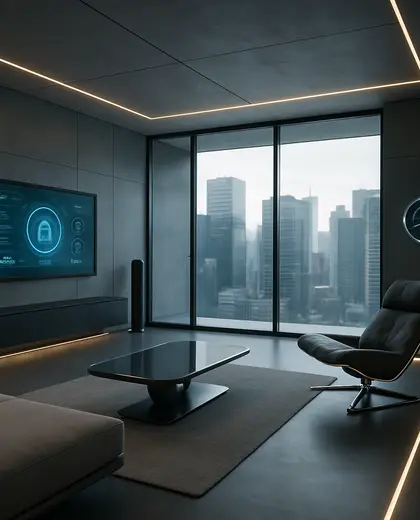
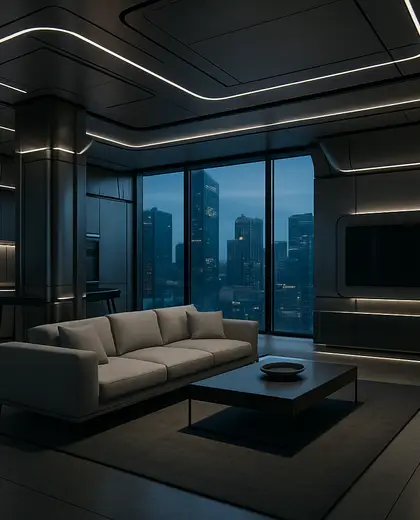
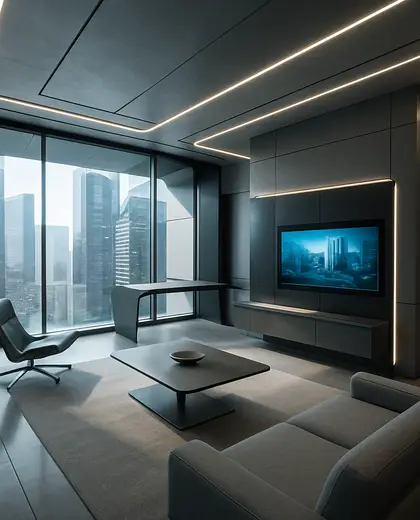
Futuristic city lines and urban depth
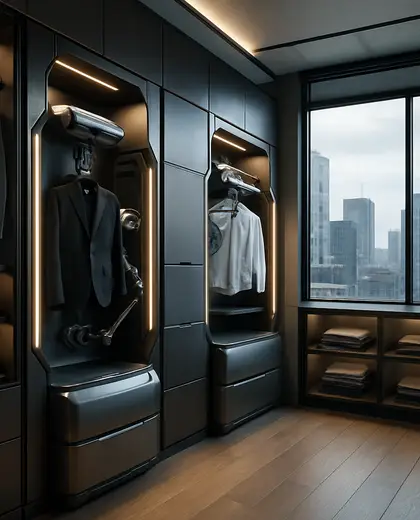
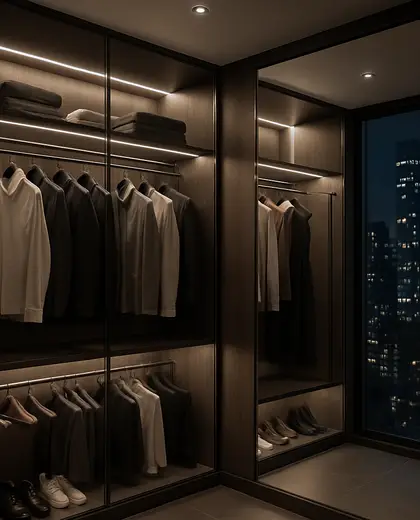
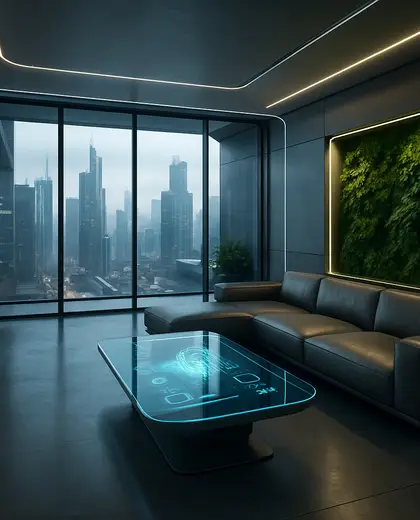
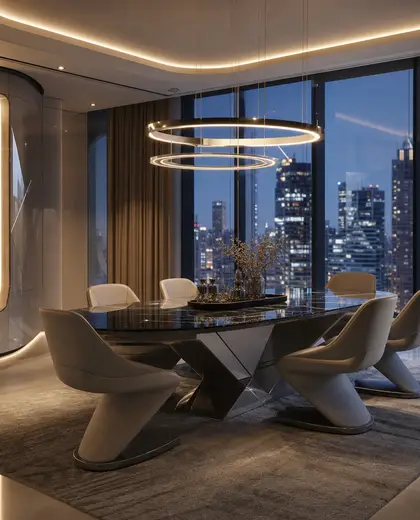
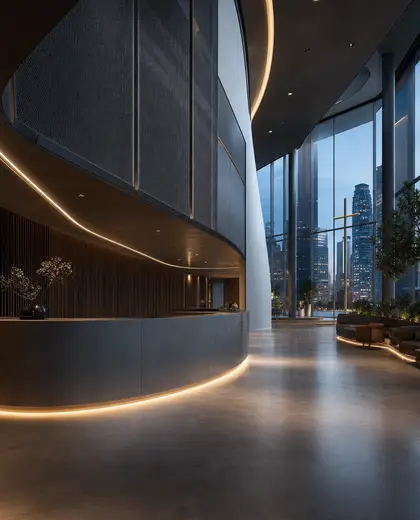
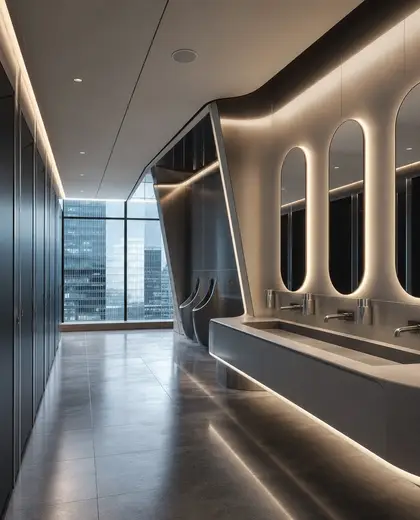
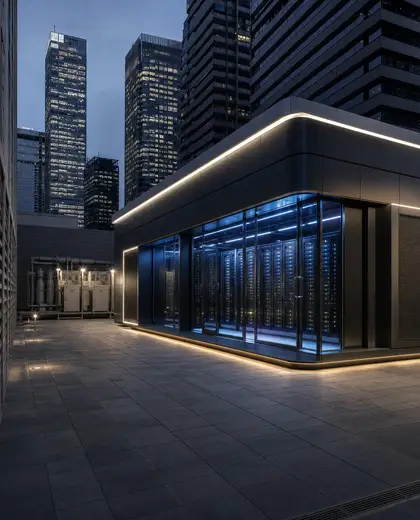
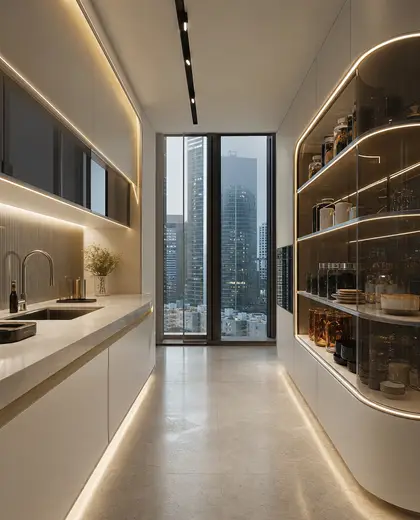
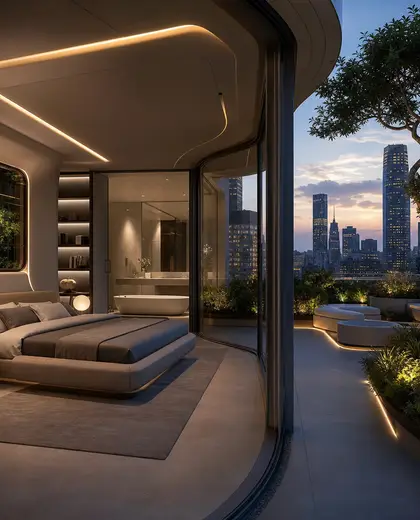
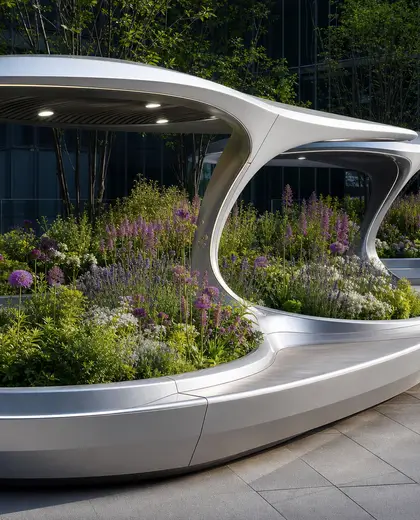
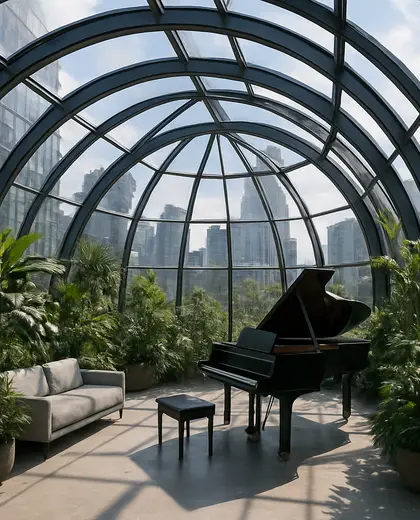
This composition is defined by clean structural forms, reflective surfaces, and sharp geometric detailing. Typical materials include glass, brushed metal, concrete, and dark stone, often paired with integrated lighting and streamlined façades. The palette usually stays cool and restrained, with charcoal, graphite, silver, black, and occasional neon or luminous accents.
- futuristic
- urban
— References
References to explore
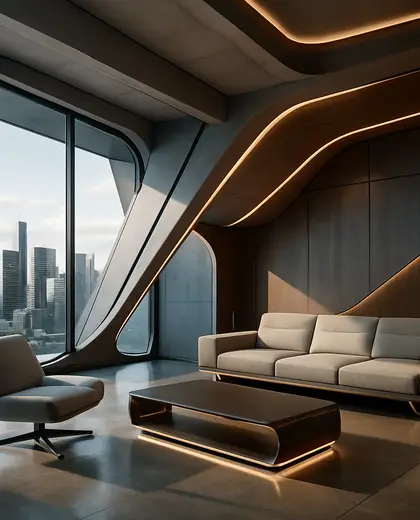
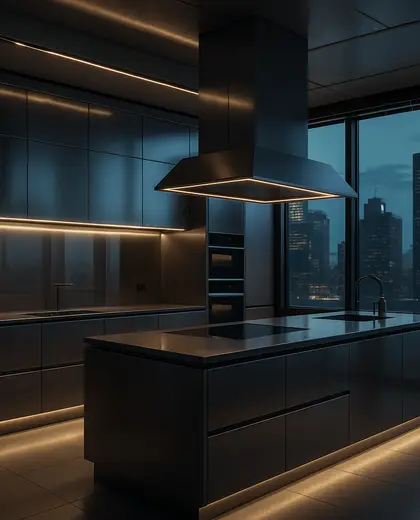
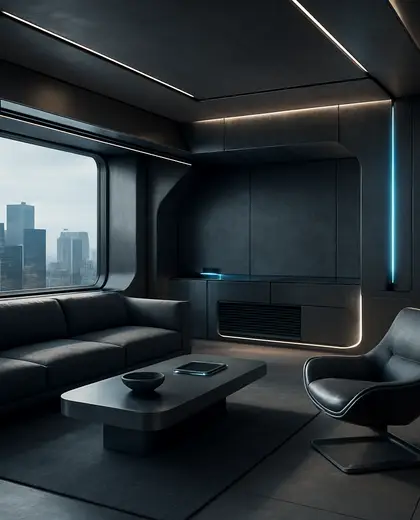
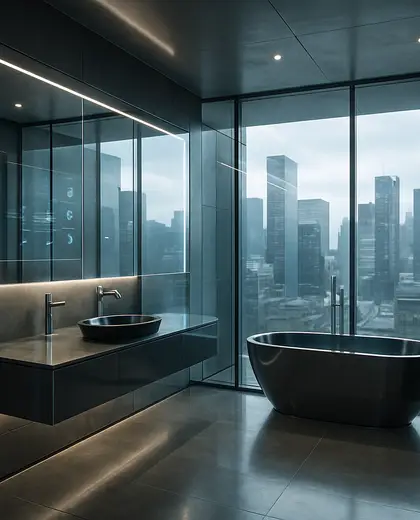
What makes a space feel futuristic and urban?
It usually comes from sharp geometry, sleek materials, and a restrained palette, especially when paired with strong lighting and city-inspired proportions.
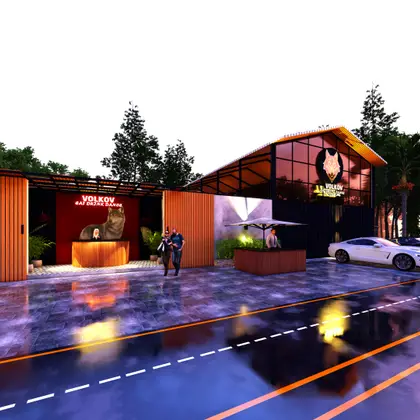
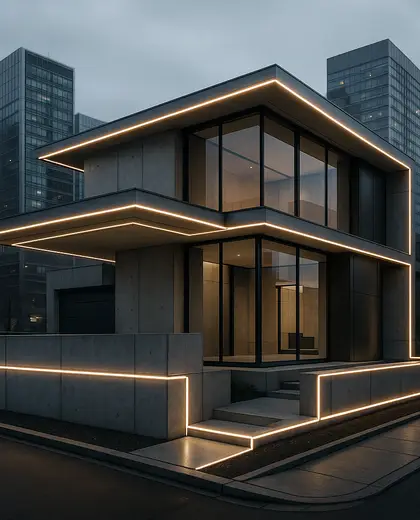
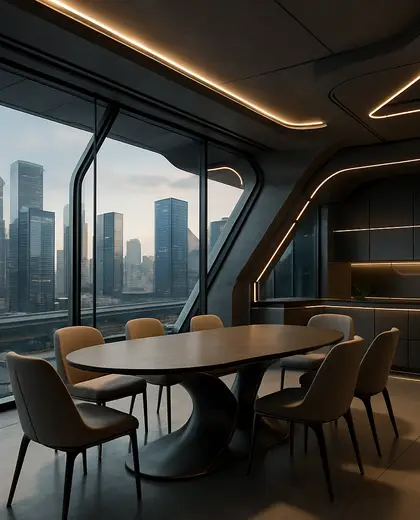
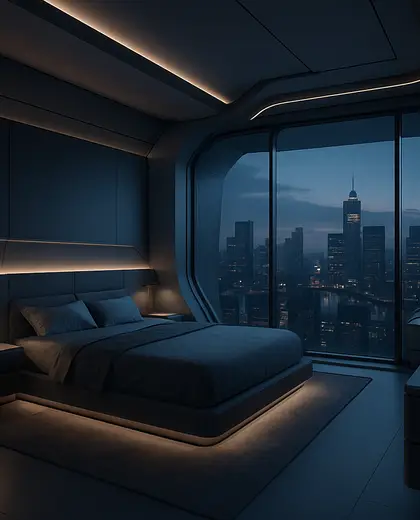
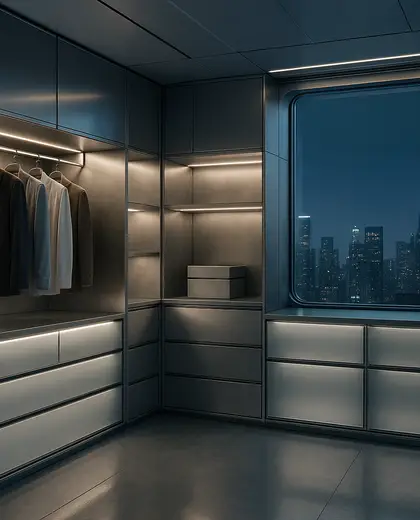
Can this style still feel warm at home?
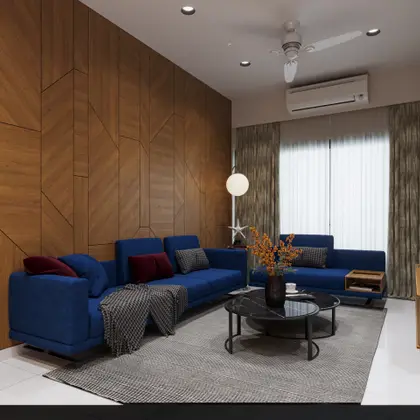
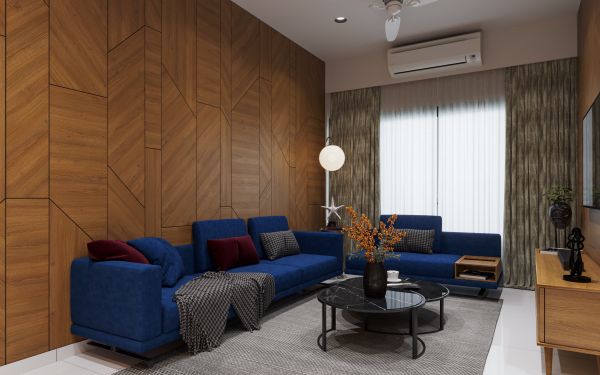
Yes, if you balance the hard surfaces with warmer textures like wood, fabric, or matte finishes and keep the layout human-scaled.
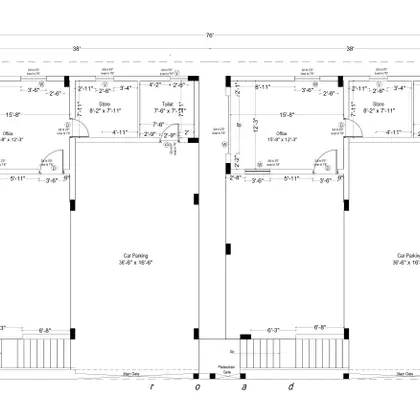
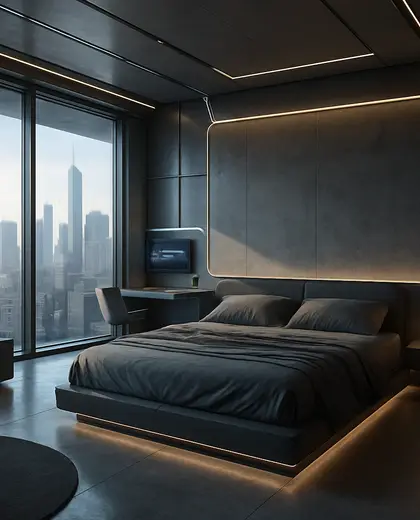
Does this composition work in smaller homes?
It can work well in smaller spaces if the design stays simple, uses reflective surfaces carefully, and avoids heavy visual clutter.

— The style
What defines it
Glass, metal panels, concrete, polished stone, and other smooth industrial finishes.
Mostly cool neutrals: black, grey, silver, and deep charcoal, sometimes lifted by bright light accents.
Minimalist planning, high-rise urban context, dramatic lighting, and technology-forward detailing.
— Professionals
Who has already built it
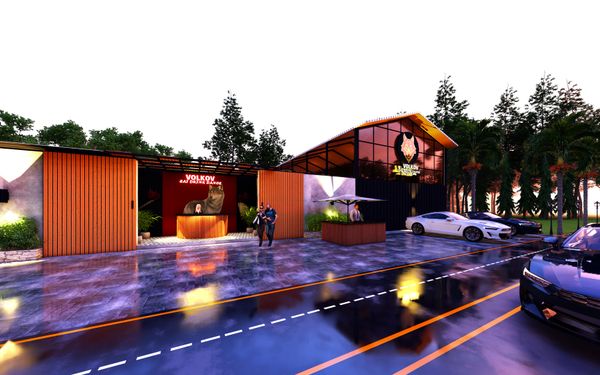



- the achievers archsmart home professionals · Delhi · 1 projectsView profile →
- home interior decoratorscarpenters · Rampur · 3 projectsView profile →
- pavit ceramics pvt ltdceramic manufacturers · Ahmedabad · 2 projectsView profile →
- Bristolfurniture sellers · Bangalore · 6 projectsView profile →
— Explore
Keep exploring
— Questions
Frequently asked questions
What makes a space feel futuristic and urban?
It usually comes from sharp geometry, sleek materials, and a restrained palette, especially when paired with strong lighting and city-inspired proportions.
Can this style still feel warm at home?
Yes, if you balance the hard surfaces with warmer textures like wood, fabric, or matte finishes and keep the layout human-scaled.
Does this composition work in smaller homes?
It can work well in smaller spaces if the design stays simple, uses reflective surfaces carefully, and avoids heavy visual clutter.