— Ideas & inspiration
Futuristic forms in the desert
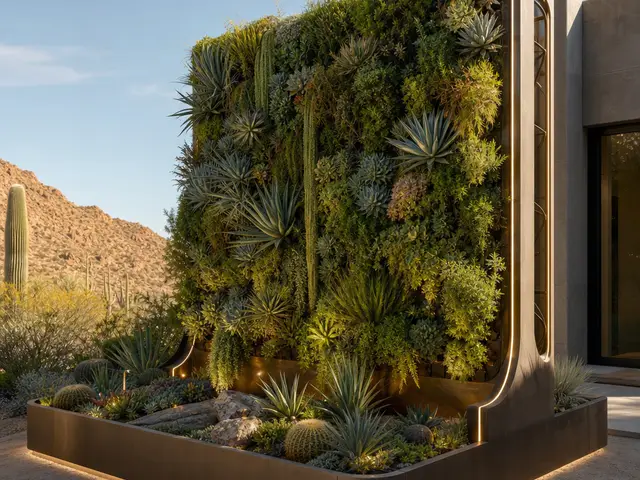
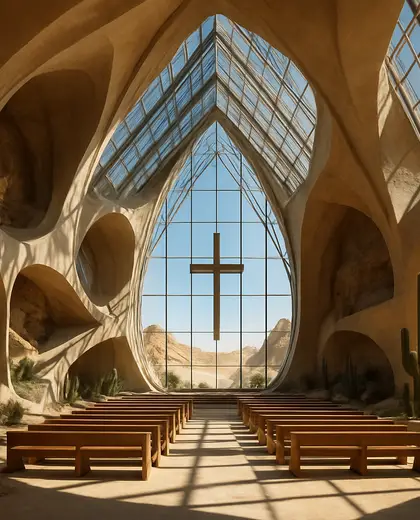
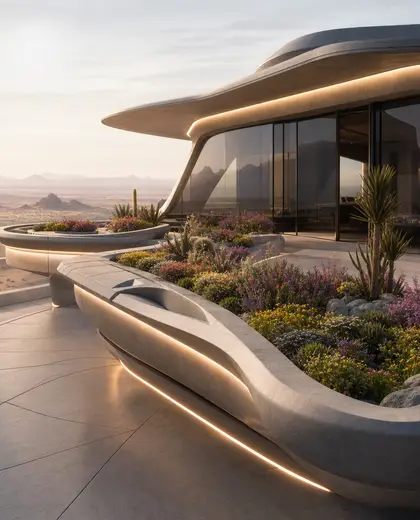
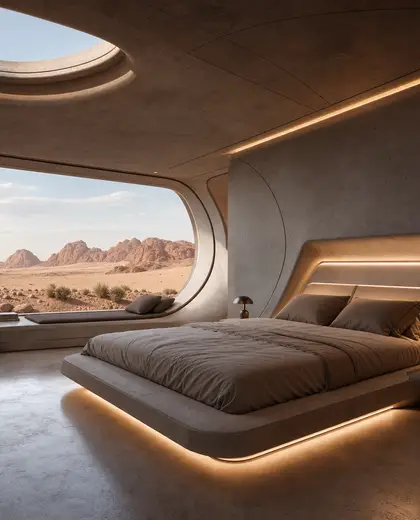
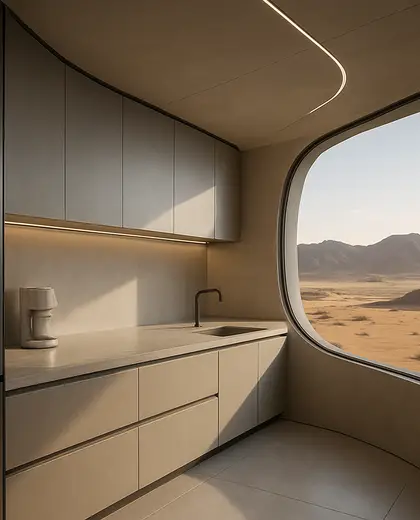
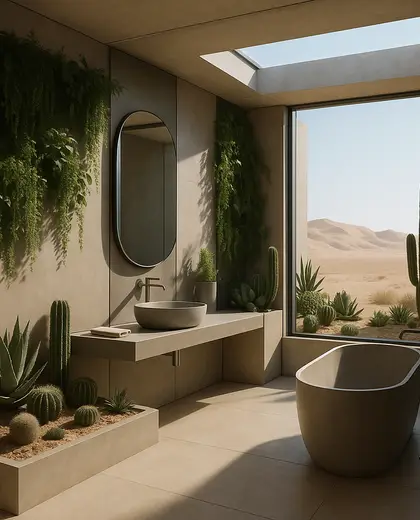
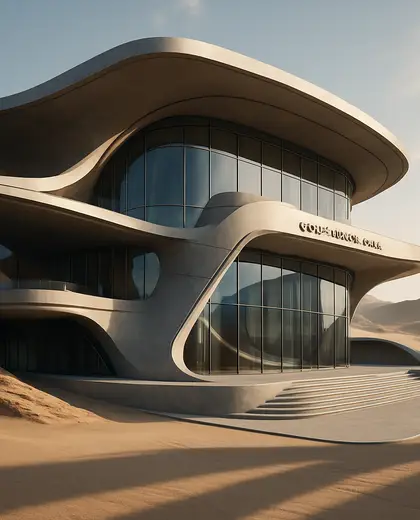
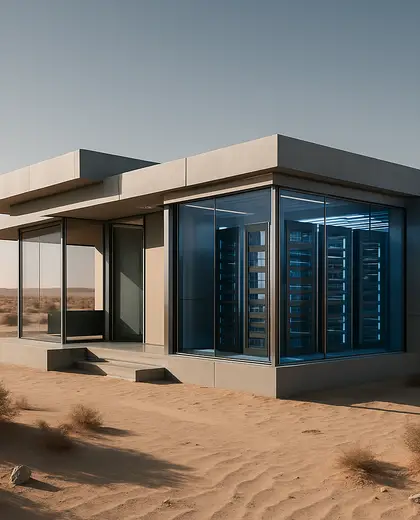
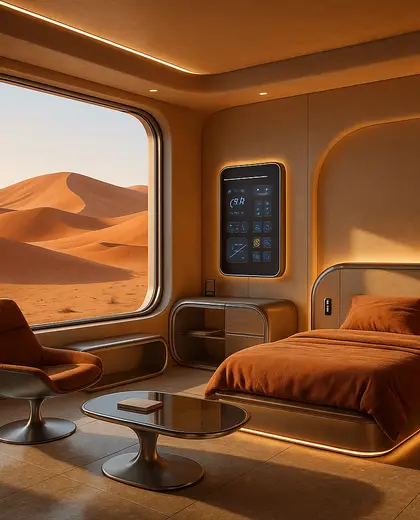
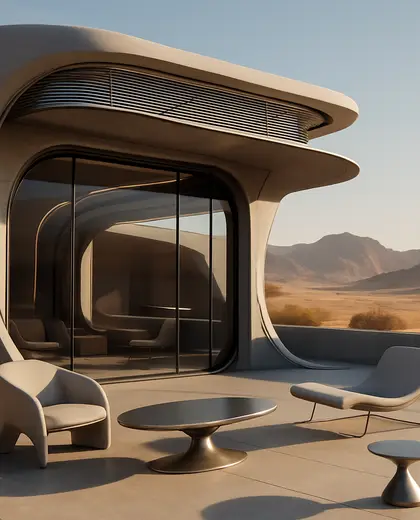
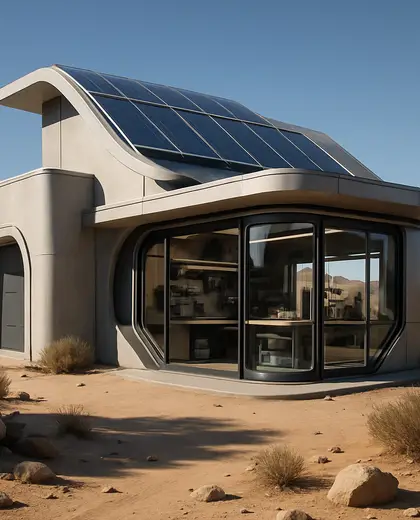
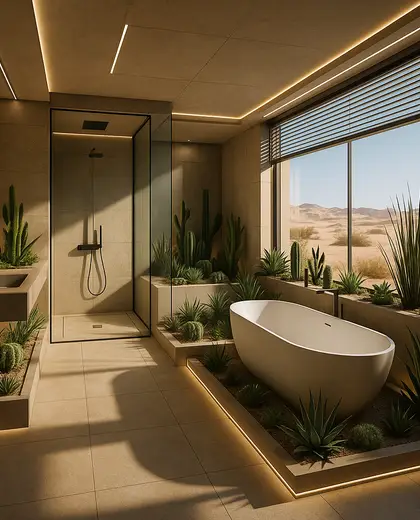
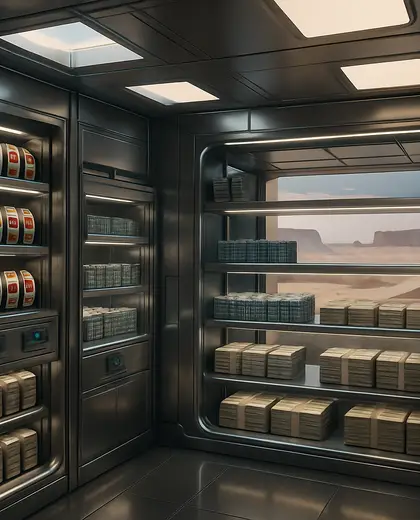
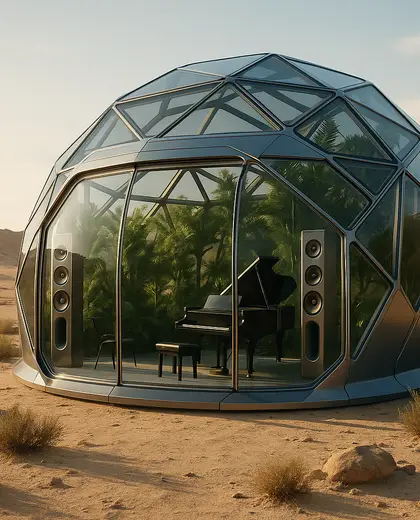
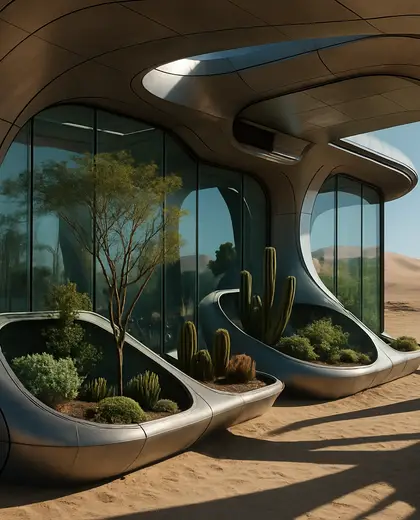
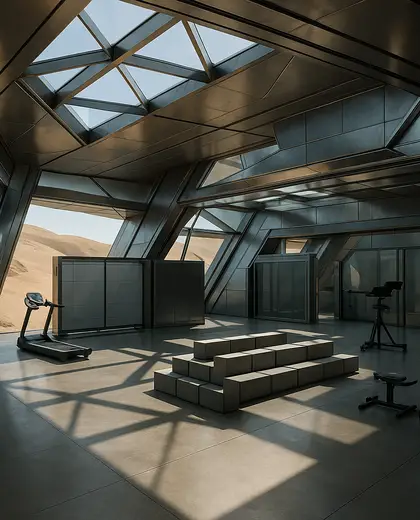
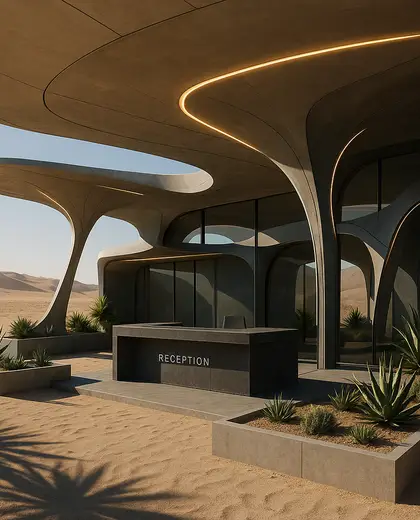
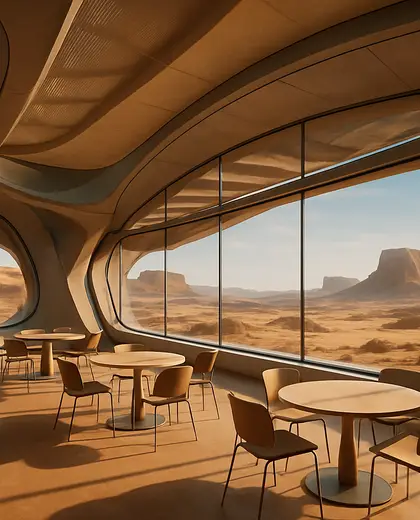
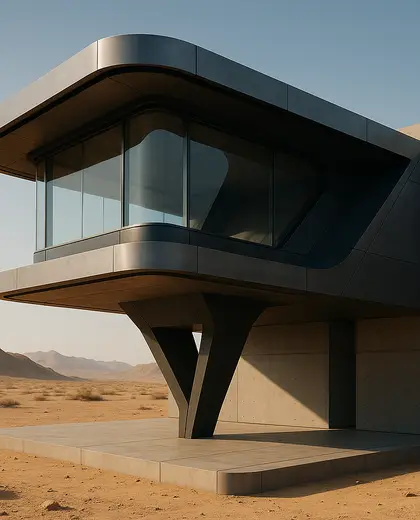
This composition is defined by sharp, streamlined volumes set against expansive sandy terrain, often using smooth concrete, pale stone, glass, and weathered metal. The palette stays sun-washed and restrained: sand, ivory, bronze, clay, and muted gray, with reflective or matte finishes used to control glare. Key elements include low-slung silhouettes, deep overhangs, shaded courtyards, and openings oriented toward long desert views.
- futuristic
- desert
— References
References to explore
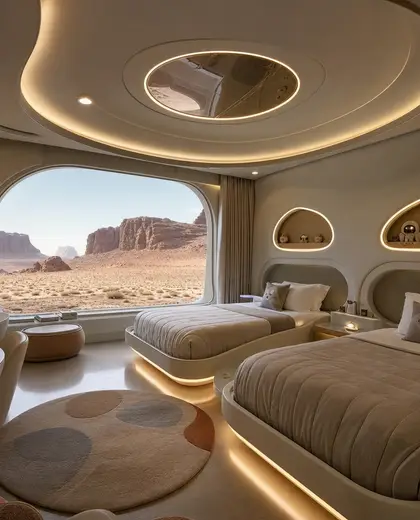
Will this style work in a hot desert climate?
Yes, if it is designed for heat control. Deep shading, small or carefully placed glazing, insulated walls, and courtyards are important so the futuristic look also performs well in strong sun.
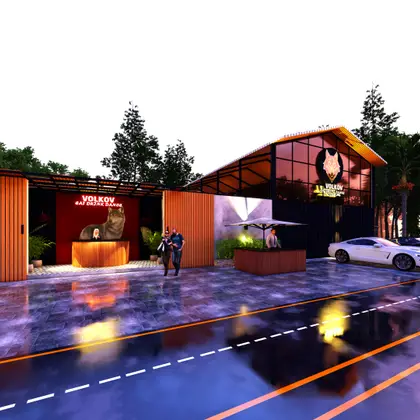
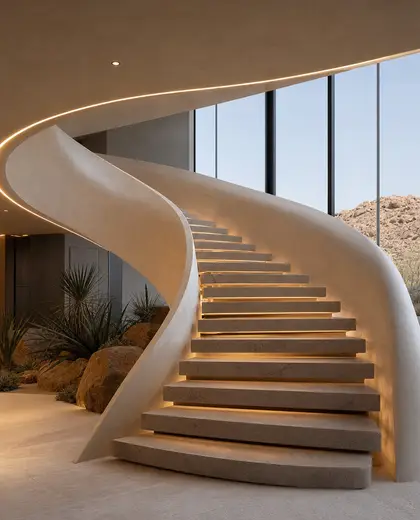
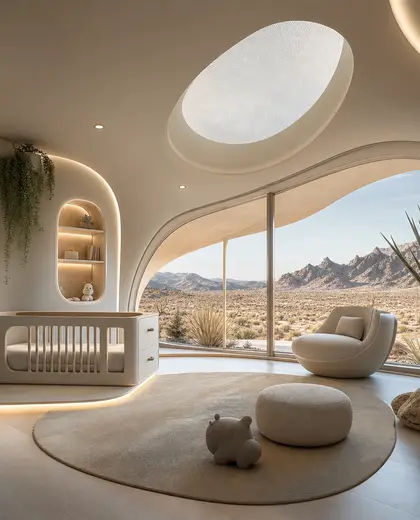
Does futuristic desert architecture have to look cold or minimal?
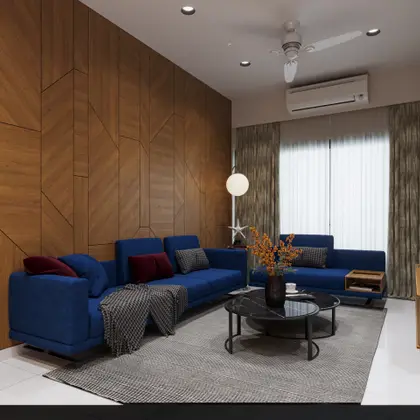
Not necessarily. The forms can be sleek and contemporary while the materials stay warm and tactile, such as stone, plaster, timber, or earth-toned finishes.
What kind of landscaping suits this composition?
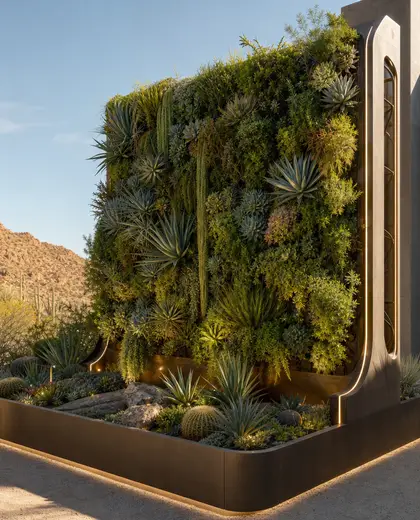
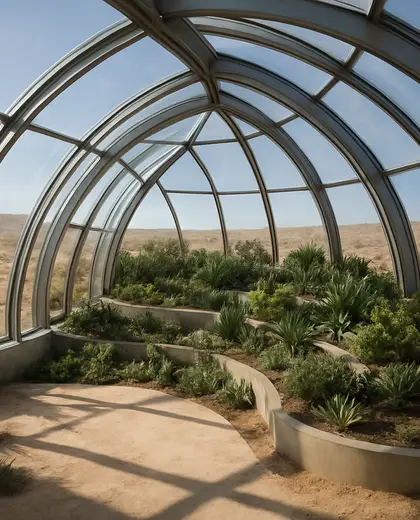
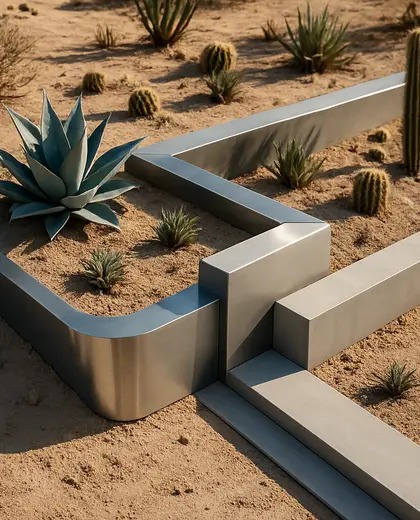
Sparse, drought-tolerant planting works best, along with gravel, sand, native grasses, succulents, and sculptural cacti. The landscape usually stays quiet so the building form and horizon remain the focus.
— The style
What defines it
Smooth concrete, limestone, tinted glass, brushed metal, and textured plaster are common, often paired with stone paving or rammed-earth accents.
Warm neutrals dominate: beige, dune, off-white, soft gray, clay, and bronze, sometimes punctuated by dark charcoal details.
It combines clean-lined contemporary architecture with desert-responsive design, including shading, thermal mass, and indoor-outdoor living.
— Professionals
Who has already built it



- the achievers archsmart home professionals · Delhi · 1 projectsView profile →
- home interior decoratorscarpenters · Rampur · 3 projectsView profile →
- pavit ceramics pvt ltdceramic manufacturers · Ahmedabad · 2 projectsView profile →
- Bristolfurniture sellers · Bangalore · 6 projectsView profile →
— Explore
Keep exploring
— Questions
Frequently asked questions
Will this style work in a hot desert climate?
Yes, if it is designed for heat control. Deep shading, small or carefully placed glazing, insulated walls, and courtyards are important so the futuristic look also performs well in strong sun.
Does futuristic desert architecture have to look cold or minimal?
Not necessarily. The forms can be sleek and contemporary while the materials stay warm and tactile, such as stone, plaster, timber, or earth-toned finishes.
What kind of landscaping suits this composition?
Sparse, drought-tolerant planting works best, along with gravel, sand, native grasses, succulents, and sculptural cacti. The landscape usually stays quiet so the building form and horizon remain the focus.