— Ideas & inspiration
A rooftop garden shaped by the desert
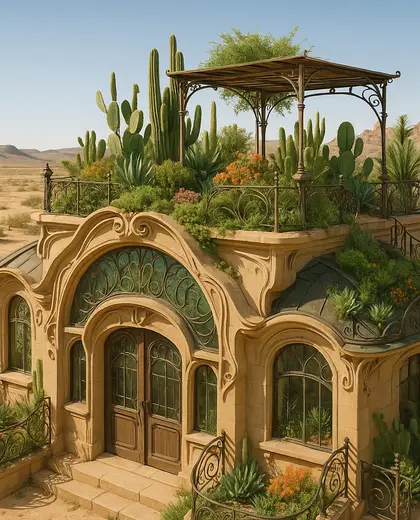
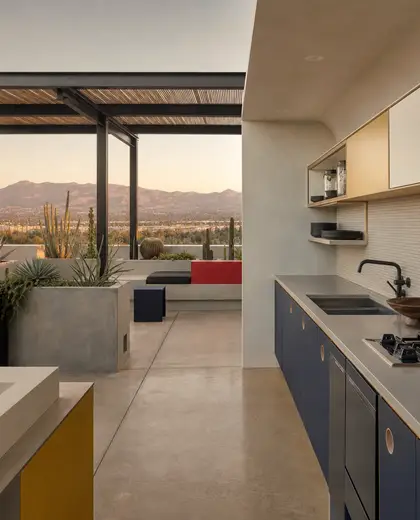
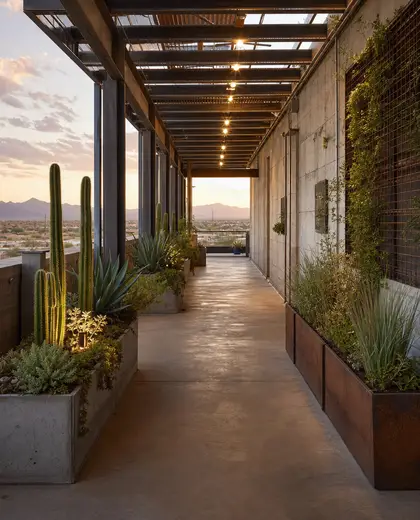
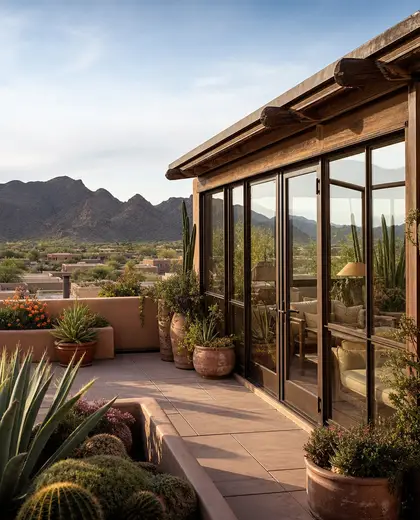
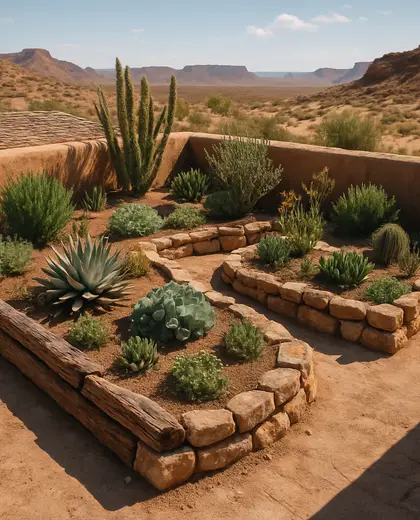
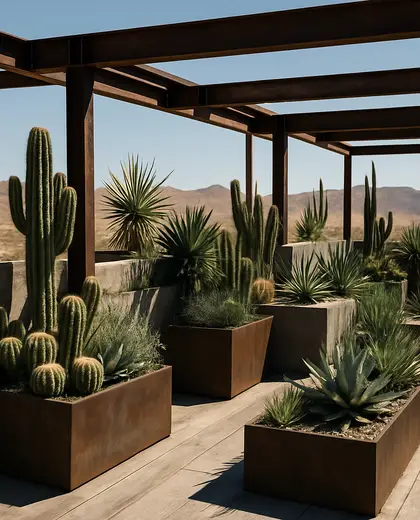
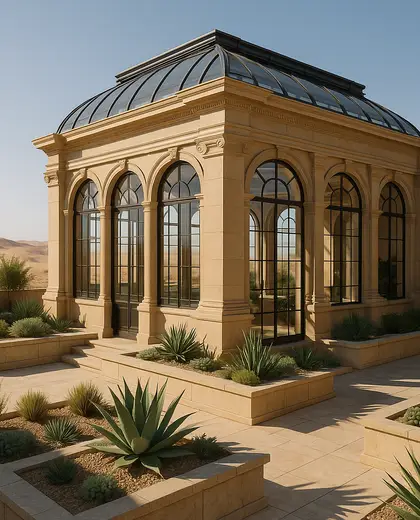
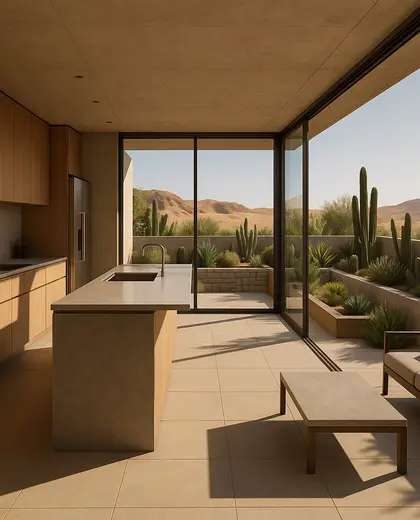
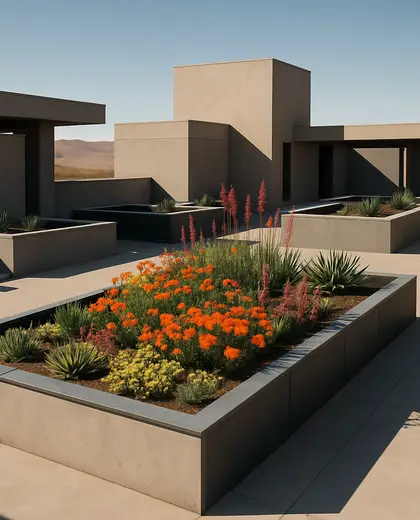
This composition pairs drought-tolerant planting with a roof terrace designed for heat, sun, and wind. It typically uses gravel, stone pavers, weathering steel, concrete, and light-toned finishes, with shaded seating, raised planters, and efficient drainage. The result is a sparse, resilient garden that feels grounded in the landscape rather than lush.
- rooftop garden
- desert

— References
References to explore


Can a rooftop garden work in a desert climate?
Yes, if the planting is selected for extreme sun, low humidity, and limited water. The roof also needs proper waterproofing, drainage, and wind protection.

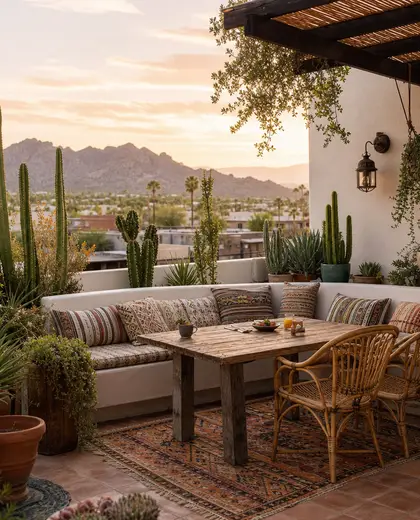
What plants are usually used?
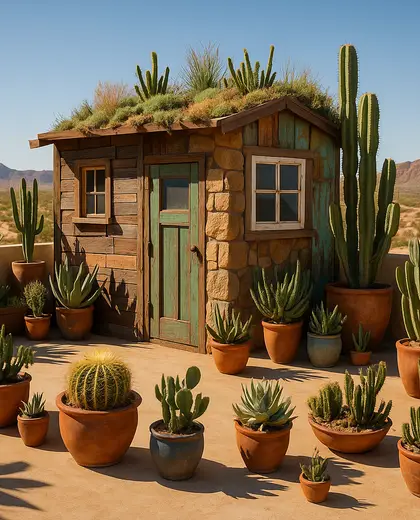
Succulents, agaves, cacti, ornamental grasses, rosemary, lavender, and other drought-tolerant species are typical. The exact palette depends on local climate and roof exposure.
How do you keep it from overheating?
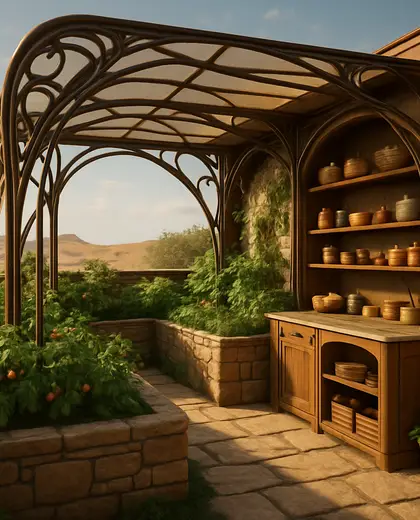
Use shade sails, pergolas, taller planters, light-colored surfaces, and layered planting to reduce heat gain. Irrigation and mulch also help keep the surface cooler and the plants healthier.







— The style
What defines it
Gravel, stone, concrete, terracotta, weathering steel, and drought-tolerant planters are common.
Sand, ochre, clay, muted green, dusty gray, and sun-bleached neutrals.
A roof terrace, wind protection, shade structures, and low-water planting adapted to arid conditions.
— Professionals
Who has already built it
- megha sharmaarchitects · Chandigarh · 8 projectsView profile →
- home interior decoratorscarpenters · Rampur · 3 projectsView profile →
- pavit ceramics pvt ltdceramic manufacturers · Ahmedabad · 2 projectsView profile →
- nikitha kumananinterior designers · 6 projectsView profile →
— Explore
Keep exploring
— Questions
Frequently asked questions
Can a rooftop garden work in a desert climate?
Yes, if the planting is selected for extreme sun, low humidity, and limited water. The roof also needs proper waterproofing, drainage, and wind protection.
What plants are usually used?
Succulents, agaves, cacti, ornamental grasses, rosemary, lavender, and other drought-tolerant species are typical. The exact palette depends on local climate and roof exposure.
How do you keep it from overheating?
Use shade sails, pergolas, taller planters, light-colored surfaces, and layered planting to reduce heat gain. Irrigation and mulch also help keep the surface cooler and the plants healthier.